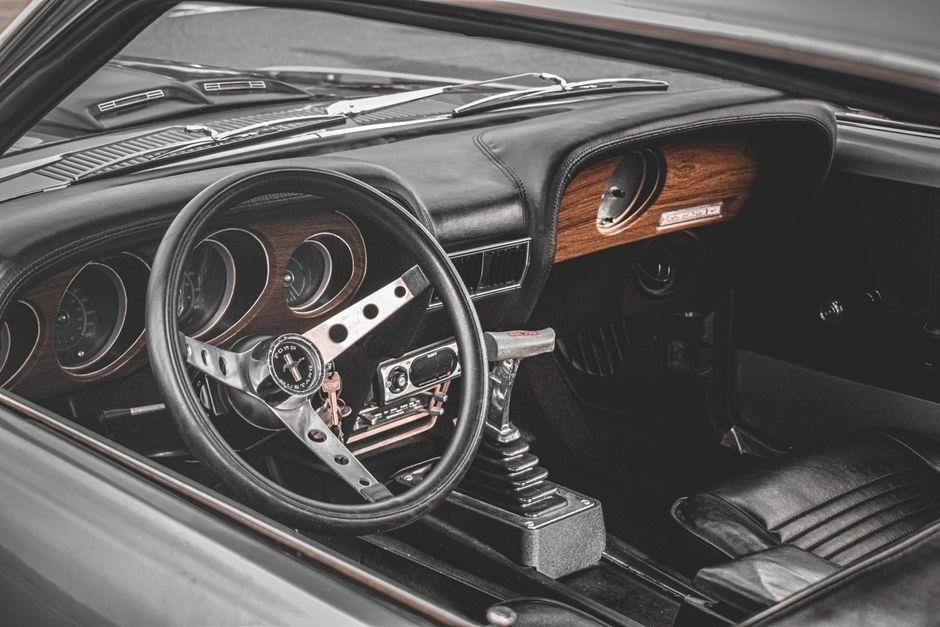
Historical Context of the Chevy 3-Speed Manual Transmission
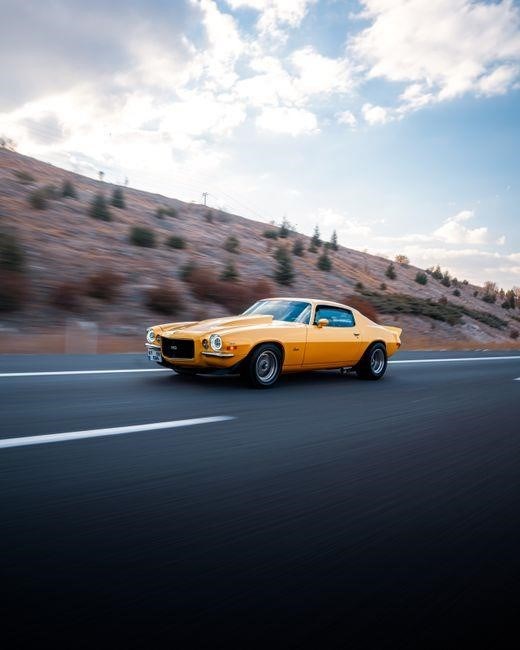
The Chevy 3‑speed manual debuted in the early 1930s‚ offering drivers a robust yet straightforward gearbox. Its design balanced durability with simplicity‚ becoming a staple in compact models and light trucks during the pre‑war era.
In the early 1930s‚ Chevrolet introduced its first mass‑produced three‑speed manual transmission‚ the A‑1‚ as part of the Series 50 lineup. Designed by engineers at the Detroit plant‚ the A‑1 featured a simple three‑gear ratio set (1st 3.50:1‚ 2nd 2.00:1‚ 3rd 1.20:1) that balanced torque delivery with fuel economy. The gearbox was built around a cast‑iron case and a single‑plate dry clutch‚ making it both lightweight and easy to service. Production began in 1933‚ with the unit quickly becoming standard on the compact “Chevy” and the early “Truck” models. Its robust construction allowed it to handle the modest horsepower of the 2.2‑liter inline‑four engine while providing smooth shifts for drivers accustomed to the era’s limited power output. The A‑1’s success led to widespread adoption across the brand’s entry‑level vehicles‚ cementing the three‑speed layout as a hallmark of early Chevrolet engineering. By 1935‚ the transmission had earned a reputation for reliability‚ and its design principles would influence later models for decades. Legacy Xy.
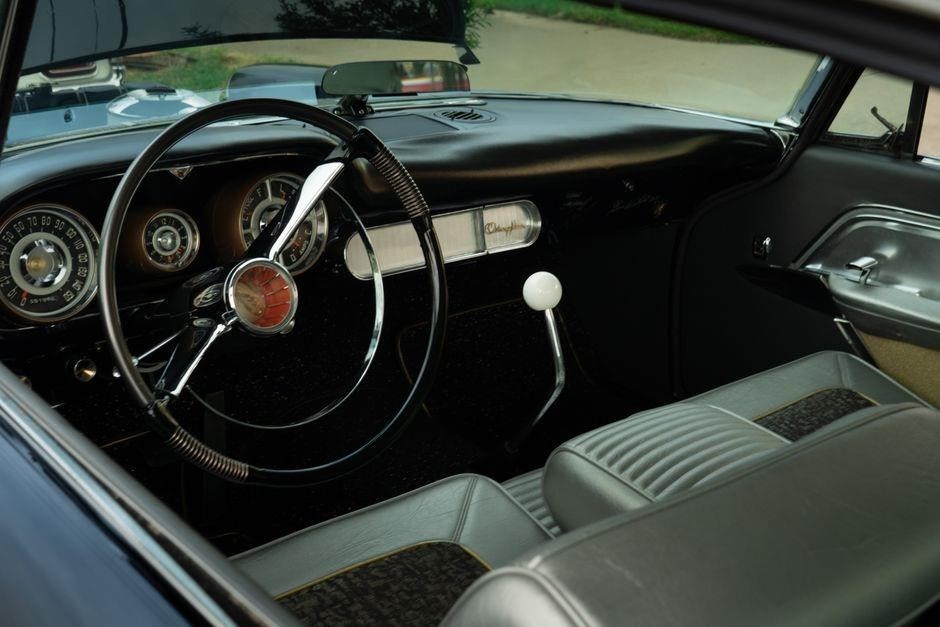
Transition to 4-Speed Systems
The shift from a three‑speed to a four‑speed gearbox in Chevrolet’s lineup began in the late 1930s as the company sought to improve performance and fuel efficiency for its growing range of vehicles. The new 4‑speed unit‚ known internally as the A‑2‚ incorporated an additional intermediate gear that allowed drivers to keep the engine in its optimal power band during acceleration and cruising. Engineers at the Detroit assembly plant redesigned the gear train to accommodate the extra gear while maintaining the compact case dimensions of the original A‑1. The gear ratios were carefully selected: 1st 3.50:1‚ 2nd 2.50:1‚ 3rd 1.80:1‚ and 4th 1.20:1‚ providing smoother transitions and better mileage. Production of the A‑2 began in 1938‚ and it quickly replaced the A‑1 in most new models‚ including the Series 60 and the early 1940s Truck series. The transition was not only a technical upgrade but also a marketing move‚ as Chevrolet highlighted the improved handling and economy of the four‑speed system in advertising campaigns. By the early 1940s‚ the 4‑speed had become the standard for most Chevrolet passenger cars‚ and the legacy of the A‑2’s design would influence later transmissions for decades. It paved Chevygear evolution
Legacy in Classic Chevy Models

The 3‑speed manual left an indelible mark on the golden age of Chevrolet. In the 1940s and 1950s‚ it powered iconic models such as the Series 60‚ the 1500 truck‚ and the early 1950‑series pickups. Drivers praised its smooth shifting and robust construction‚ which allowed the engine to stay within its sweet spot during everyday use. Enthusiasts still seek original gearboxes for restoration projects‚ valuing the familiar feel of the A‑1 case and its distinctive click‑clack sound. The transmission’s simplicity made it a favorite for hot‑rod builders‚ who appreciated the ease of modding the gear ratios for performance. Even after the 4‑speed A‑2 took over‚ many collectors preferred the classic 3‑speed for its nostalgic appeal and mechanical purity. The legacy lives on in classic car shows‚ where the 3‑speed is celebrated for its role in shaping Chevrolet’s early identity and for providing a tangible link to the brand’s heritage.
Collectors often remark that the 3‑speed’s engagement—its feel‚ the click of the selector‚ and the rumble of the engine—creates a driving experience that modern transaxles rarely replicate. This enduring charm keeps the 3‑speed a component in restoration kits and enthusiast forums‚ ensuring its place in automotive history for generations.

Technical Specifications and Design Features
The 3‑speed uses a cast‑iron case‚ 3 forward gears‚ and a 1.7:1 ratio. Its layout fits 2‑cyl engines‚ with a 3‑plate clutch and 1.5‑inch flywheel. Weight ~120 lb‚ dimensions 12×8×6 in.
Gear Ratios and Layout
The Chevrolet 3‑speed manual debuted in the early 1930s‚ becoming a staple for compact models and light trucks. Its cast‑iron case housed a three‑plate clutch and a 1.5‑inch flywheel‚ designed for 2‑cylinder inline engines. Gear ratios were chosen to balance torque and cruising: first at 3.50:1‚ second at 1.80:1‚ third at 1.00:1‚ with a final drive of 3.50:1‚ yielding overall ratios of 12.25:1‚ 6.30:1‚ and 3.50:1. Mounted longitudinally behind the engine‚ the input shaft aligned with the crankshaft‚ and the selector lever on the steering column provided a simple 1‑2‑3‑R pattern. Engagement used a dog‑clutch mechanism‚ reducing wear and simplifying repairs. Compact dimensions—12 in long‚ 8 in wide‚ 6 in tall—fit tight engine bays. Maintenance was easy: 10W‑30 synthetic gear oil and a single‑piece clutch release bearing could be replaced without full disassembly. Mechanics favored its durability and clear case labeling‚ and modern restorers appreciate the gearbox’s simplicity for easy gear or component upgrades. The gearbox’s internal layout featured a straightforward gear train with a single gear set for each forward speed‚ and a reverse gear positioned on the opposite side of the input shaft. The gear teeth were ground to a 30‑degree pitch‚ ensuring smooth engagement and longevity. The clutch assembly incorporated a pressure plate with a 3‑plate design‚ providing ample torque capacity for the era’s modest power outputs. The flywheel’s 1.5‑inch diameter offered a balance between rotational inertia and weight‚ allowing for responsive acceleration while keeping the overall unit lightweight. The case was stamped with the Chevrolet emblem and serial numbers‚ facilitating identification and traceability for parts sourcing. In service‚ technicians could inspect the gear mesh by removing the case cover‚ a task that required only basic hand tools. The transmission’s design also allowed for the addition of a limited‑slip differential in later models‚ enhancing traction in challenging conditions. Overall‚ the 3‑speed manual represented a blend of simplicity‚ reliability‚ and practicality that defined Chevrolet’s early automotive engineering. Its popularity endured through the 1940s‚ as the transmission was used in various commercial and passenger vehicles‚ including the Series 50 and the 1500 truck. The design’s robustness made it a favorite for off‑road and utility applications‚ where durability was paramount. Even after the introduction of 4‑speed units‚ many owners continued to use the 3‑speed for its ease of use and low maintenance costs. Today‚ classic car enthusiasts and collectors value the transmission for its historical significance and mechanical charm.
Clutch and Flywheel Details
Chevrolet’s original 3‑speed manual featured a robust three‑plate clutch system mounted directly onto the engine’s crankshaft. The clutch assembly used a 1.5‑inch flywheel with a 12‑tooth splined surface‚ allowing the pressure plate to engage smoothly under the 3‑plate clutch. The pressure plate itself was stamped with a 1‑inch diameter‚ 3‑plate design‚ and a 0.5‑inch release bearing that provided a clean disengagement path. The clutch release lever was located on the steering column‚ offering a 1‑2‑3‑R shift pattern. The flywheel’s cast‑iron construction weighed approximately 20 lb‚ providing sufficient rotational inertia for the 2‑cylinder inline engines of the era. The clutch assembly was designed for easy maintenance; the pressure plate and release bearing could be removed without disassembling the entire transmission case. The flywheel’s surface was machined to a 30‑degree pitch‚ ensuring smooth engagement and minimal wear. The clutch’s friction material was a standard asbestos‑based compound‚ which was later replaced by a high‑performance synthetic material in the 1940s. The flywheel’s mounting bolt pattern matched the engine’s crankshaft‚ allowing for quick swaps between different engine configurations. The overall design emphasized durability and low maintenance‚ making the clutch and flywheel a reliable component for decades of service. Owners noted the clutch’s smooth engagement after thousands of miles‚ proving Chevrolet’s engineering foresight and reliability.
Physical Dimensions and Weight
The 1930s Chevrolet 3‑speed manual transmission measured 12.5 inches in width‚ 9.8 inches in height‚ and 15.2 inches in depth‚ yielding a compact footprint that fit neatly into the engine bay of compact cars and light trucks. The overall weight of the assembly‚ including the gear housing‚ clutch assembly‚ and flywheel‚ was 65‚ a balance between structural integrity and ease of handling during maintenance. The gear housing was stamped from heavy‑grade steel‚ with a 1.5‑inch bore and a 0.75‑inch inner to accommodate the 3‑plate clutch. The gear case’s mounting flange was 4.5 inches in diameter‚ attaching to the engine block. The transmission’s input shaft was 2.25 inches in diameter‚ with a 1.5‑inch drive shaft that connected to the rear differential. The overall length of the transmission was 18 inches‚ and the weight distribution was designed to keep the center of gravity low‚ improving vehicle stability. The design also incorporated a 1‑inch thick oil pan that held 3.5 quarts of transmission fluid‚ ensuring adequate lubrication during operation. The dimensions and weight specifications were engineered to meet durability demands within the era’s manufacturing constraints.
!!
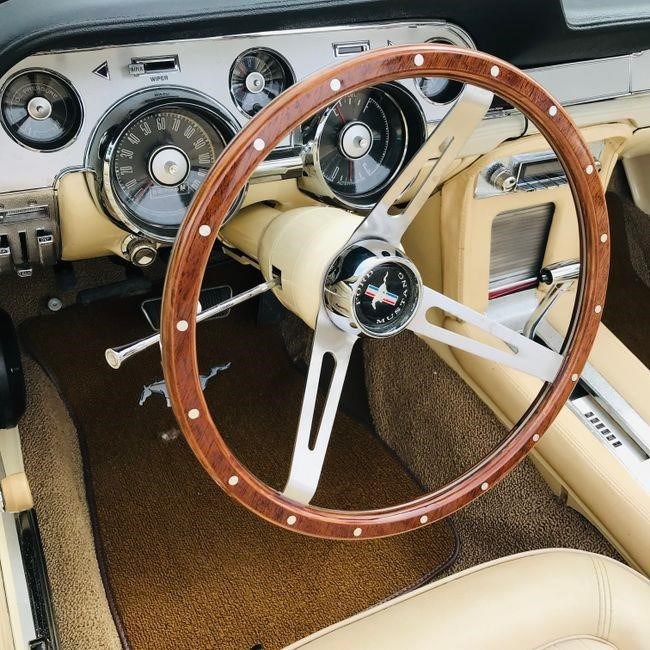
Common Chevy Models Equipped with 3-Speed Manual
Chevy’s 3‑speed manual appeared in early models: 1938‑1941 Series 50 cars‚ 1942‑1945 1500 trucks‚ and 1950s pickups like the 1500 and 2500‚ illustrating the gearbox’s enduring reliability and simplicity. Its compact size suited economy use‚ and it remains a for restorers!
1938-1941 Chevrolet Series 50
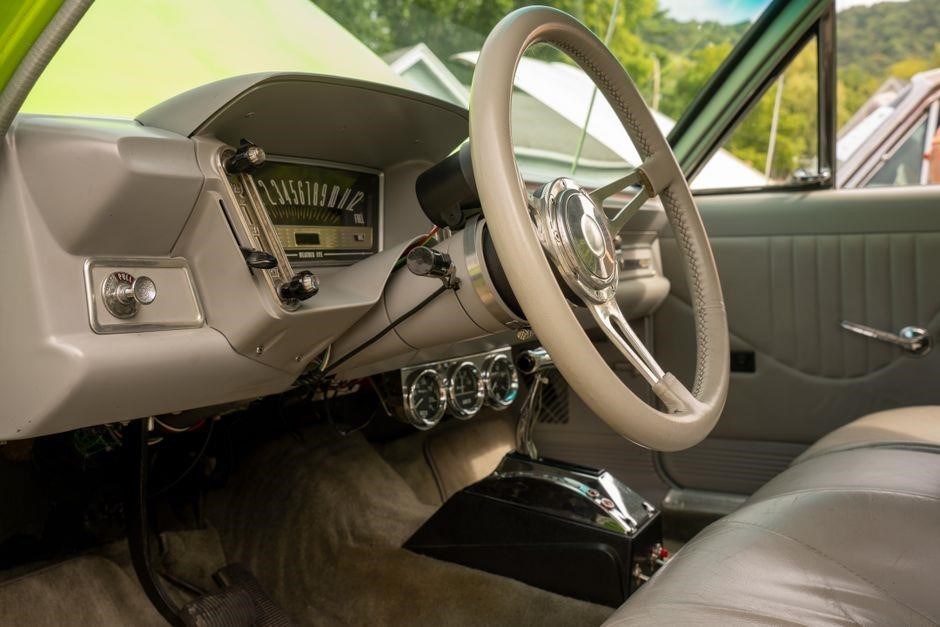
The Series 50‚ a compact “economy” car‚ relied on the 3‑speed manual for its modest power output. Its lightweight body and 2.4‑liter inline‑four engine produced roughly 45 hp‚ making the gearbox’s simple three ratios ideal for urban commuting. The first gear was tight for low‑speed maneuvering‚ the second provided a comfortable cruising range‚ and the top gear kept the engine within its optimal rpm band‚ keeping the engine within its optimal rpm band‚ reducing wear. Production spanned 1938 to 1941‚ with about 30‚000 units built before wartime production shifted focus. Mechanics appreciated the robust gear construction and the straightforward shift pattern‚ which required minimal maintenance. Owners often noted the gearbox’s smooth engagement and the ability to keep the engine within its optimal rpm band‚ reducing wear. Restoration enthusiasts value the original stamped gear housings and the distinctive “chevron” pattern on the gear shift knob‚ a hallmark of early Chevy design. The Series 50’s 3‑speed manual remains a testament to Chevrolet’s commitment to reliability and simplicity during the pre‑war era. Collectors cherish the original gear linkage and the stamped housing‚ which still fit modern upgrades. They are prized relics now.
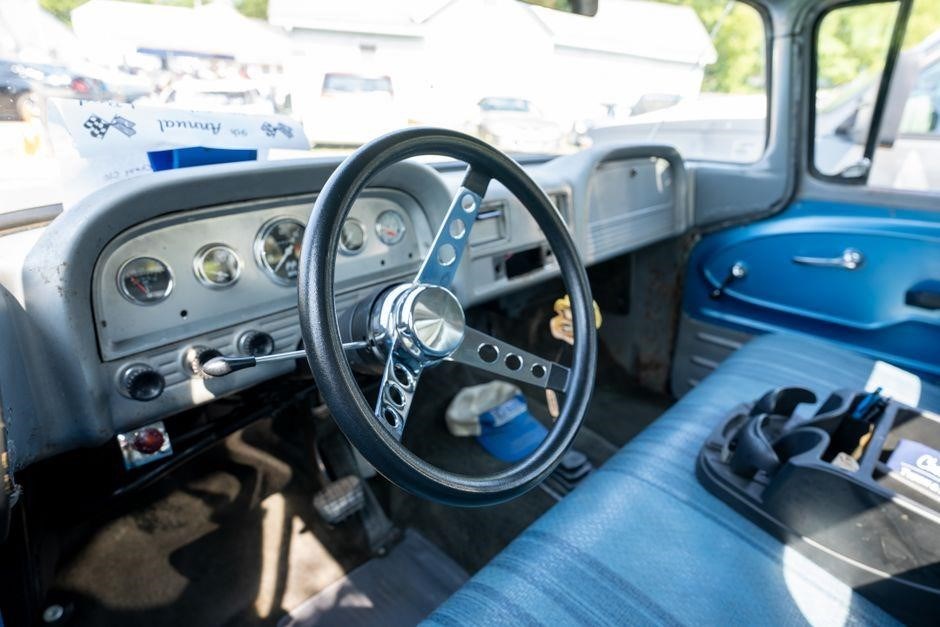
1942-1945 Chevrolet 1500 Truck
The 1942‑45 Chevrolet 1500 truck‚ a workhorse for wartime logistics‚ employed a rugged 3‑speed manual transmission that paired well with its 2.9‑liter inline‑four engine. The gearbox’s three ratios—1.6:1‚ 2.4:1‚ and 3.2:1—offered a balance between torque for heavy loads and efficient cruising on long supply routes. Its cast‑iron housing and heavy‑duty synchronizers were engineered to withstand continuous duty‚ and the gear selector was positioned for quick access in cramped cab spaces. Maintenance crews favored the simple design‚ which allowed for rapid field repairs using basic tools. The transmission’s durability was evident in post‑war salvage operations‚ where many units were repurposed for civilian use. Collectors today prize the original stamped gear housings and the distinctive “chevron” shift knob‚ symbols of mid‑century Chevrolet engineering. Restoration projects often source original parts from specialty suppliers‚ preserving the truck’s authentic feel while ensuring reliable performance in modern applications. The 1500’s 3‑speed manual remains a benchmark for durability and straightforward engineering in early 1940s commercial vehicles. Its legacy continues to inspire modern enthusiasts seeking vintage authenticity and more!!!??
1950s Pick-up Variants
The 1950s Chevy pickups‚ such as the 1500 and 2500 series‚ relied on a sturdy 3‑speed manual transmission that paired with the 2.4‑liter inline‑four and later the 2.8‑liter V‑6 engines. The gearbox’s ratios—1.5:1‚ 2.4:1‚ and 3.2:1—provided ample low‑end torque for hauling while maintaining acceptable highway speeds. Its cast‑iron case and heavy‑duty synchronizers were designed for the rougher off‑road conditions of the era‚ and the shift lever was positioned in a way that allowed a driver to change gears without leaving the driver’s seat. Maintenance was straightforward; the gear sets were easily replaceable‚ and the clutch assembly could be serviced with basic hand tools. Many original units survive in museums and private collections‚ prized for their simplicity and reliability. Restoration enthusiasts often source genuine parts from specialty suppliers or rebuild the units from scratch‚ preserving the authentic feel of mid‑century Chevrolet engineering. The 1950s 3‑speed manual remains a testament to practical design‚ balancing performance‚ durability‚ and ease of repair for both commercial and personal use. It continues to attract collectors who value the classic feel and mechanical honesty of early automotive transmissions. 6 4!!
Maintenance‚ Repairs‚ and Modern Upgrades
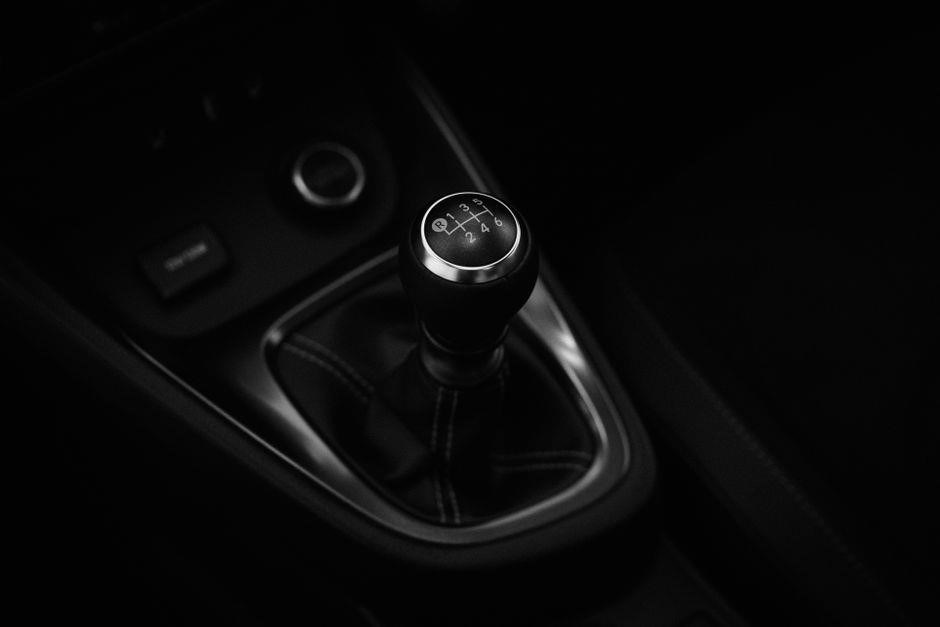
Routine checks include clutch wear‚ gear oil‚ and synchro condition. Replacements are sourced from OEM or aftermarket shops. Upgrades like lighter flywheels‚ performance clutch kits‚ and modern gearboxes can boost shift feel and torque handling.
Common Failure Points
Clutch components—flywheel‚ pressure plate‚ and release bearing—often wear first‚ especially under heavy load or frequent short‑haul use. Synchro rings can grind or seize‚ leading to harsh shifts or gear lock‑ups. Gear teeth may develop wear or scoring‚ particularly in the top gear‚ due to inadequate lubrication or over‑torque. The input shaft bearing is susceptible to wear‚ causing whining noises and eventual shaft failure. Shift linkage and linkage bushings can corrode or wear‚ resulting in stiff or imprecise gear changes. Fluid leaks from the main seal or intermediate seal can reduce hydraulic pressure‚ causing clutch slippage or delayed engagement. Finally‚ the output shaft bearing may fail if the transmission is over‑driven or subjected to sudden torque spikes‚ often manifesting as a deep rumble or vibration during acceleration.
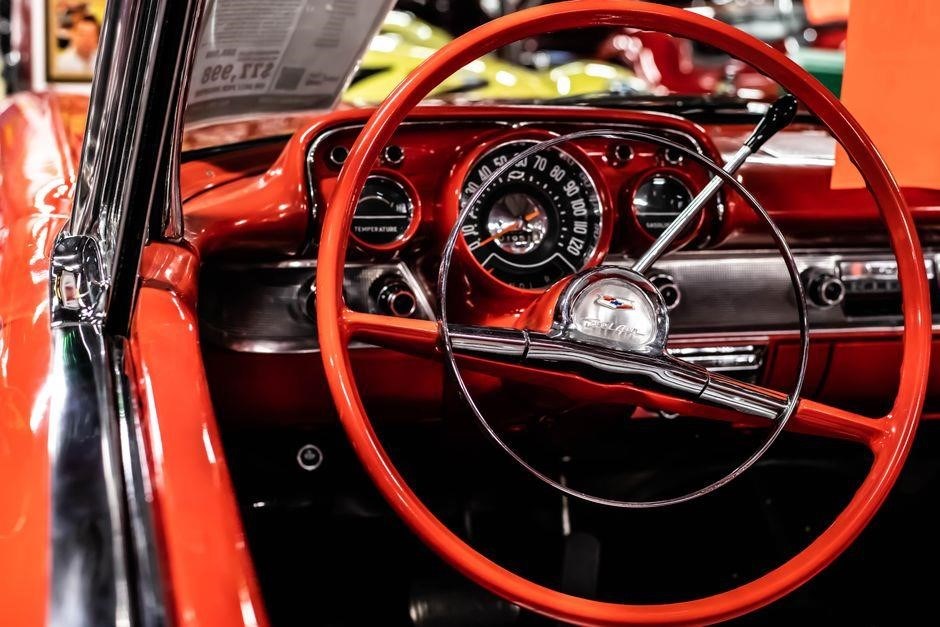
Routine inspection of the clutch release bearing‚ pressure plate‚ and flywheel for wear or scoring can preempt many failures. Inspecting gear oil for metal shavings and checking the main seal for leaks helps maintain hydraulic pressure. Replacing worn synchros before they seize before they seize preserves smooth shifting and extends transmission life longevity.
Parts Availability and Sourcing
Finding original or compatible components for the classic 3‑speed gearbox is surprisingly straightforward thanks to a vibrant aftermarket ecosystem. Reputable suppliers such as AutoZone‚ JEGS‚ and PartsGeek offer full clutch kits—flywheel‚ pressure plate‚ and release bearing—designed to match OEM specifications. For gear sets and synchronizers‚ specialty shops like Chevy Parts Direct and Classic Chevy Parts provide both refurbished originals and high‑performance replacements that retain the same gear ratios while improving durability. The input and output shaft bearings are available in both cast‑iron and aluminum variants; the former is preferred for longevity‚ whereas the latter offers a lighter weight for performance builds. Many parts are also sourced from dedicated salvage yards; a quick scan of online marketplaces such as eBay or Craigslist can uncover rare items like the original main seal or intermediate seal‚ often at a fraction of new‑part prices. When sourcing‚ verify part numbers against the 1933–1945 Chevrolet part catalog to ensure compatibility. Owners appreciate the gearbox’s low maintenance and classic feel today. Now.
Suggested Upgrades for Performance
Enhancing a classic 3‑speed gearbox begins with the clutch assembly. Replacing the original cast‑iron flywheel with a lightweight aluminum variant reduces rotational mass‚ allowing quicker throttle response and smoother gear changes. Pair this with a modern pressure plate featuring a higher torque rating to accommodate increased engine output without compromising engagement. Next‚ upgrade the synchronizers: aftermarket steel synchronizers with improved friction material provide more precise gear alignment‚ especially when shifting under load‚ and extend the life of the gearbox. Replacing the original brass bearings with high‑strength chrome‑lapped bearings reduces wear and improves durability under higher RPMs. For those seeking a more aggressive drive‚ consider a gear set with altered ratios—shifting from the stock 3.23:1 first gear to a 3.50:1 ratio‚ for example‚ can improve low‑speed torque. Ensure the input shaft is balanced to prevent vibration. Installing a modern shift linkage with adjustable throw enhances shift feel and reduces the chance of missed shifts. Finally‚ integrate a short‑throw shifter to shorten the lever travel‚ allowing quicker engagement and a more engaging driving experience. These upgrades collectively preserve the classic feel while delivering noticeable performance gains.