
Form 941-X Instructions: A Comprehensive Guide (2026)
Form 941-X serves as an adjusted employer’s quarterly federal tax return, enabling corrections to previously filed Form 941 data. These
instructions, revised in April 2025, apply to all unexpired correction statutes. Employers utilize this form to rectify under or overreported tax liabilities.
What is Form 941-X?
Form 941-X, officially titled “Adjusted Employer’s Quarterly Federal Tax Return,” is a crucial document utilized by employers to correct errors discovered on previously submitted Form 941 returns. It’s specifically designed for amending quarterly federal tax filings, allowing businesses to address inaccuracies in reported wages, taxes withheld, and payments made to the Internal Revenue Service (IRS).
Unlike the original Form 941, which reports employment taxes for a specific quarter, Form 941-X focuses solely on adjustments. This means it isn’t a replacement for the original filing; rather, it’s a supplementary form used to rectify mistakes. The IRS provides detailed instructions, with the April 2025 revision applicable to all years within the statute of limitations for corrections. It’s a vital tool for ensuring accurate tax compliance and avoiding potential penalties or interest charges.
Essentially, Form 941-X is the mechanism for employers to claim a refund or pay additional taxes due to errors made on their initial quarterly filings.
Purpose of Form 941-X
The primary purpose of Form 941-X is to allow employers to correct errors made on their originally filed Form 941, the Employer’s Quarterly Federal Tax Return. These corrections can stem from various sources, including miscalculations of taxable wages, incorrect federal income tax withholding amounts, or inaccurate reporting of tax payments.
Specifically, Form 941-X facilitates the claiming of either a refund if taxes were overpaid, or the payment of additional taxes if underreported. It’s also used to adjust amounts related to the Employee Retention Credit (ERC), specifically the refundable portion reported on line 26a. The form ensures employers can rectify discrepancies and maintain accurate tax records with the IRS.
Importantly, Form 941-X isn’t for initial tax reporting; it’s exclusively for adjusting previously submitted information. The IRS instructions emphasize its role in ensuring tax compliance and resolving discrepancies efficiently, preventing potential penalties and interest assessments.
Who Should File Form 941-X?
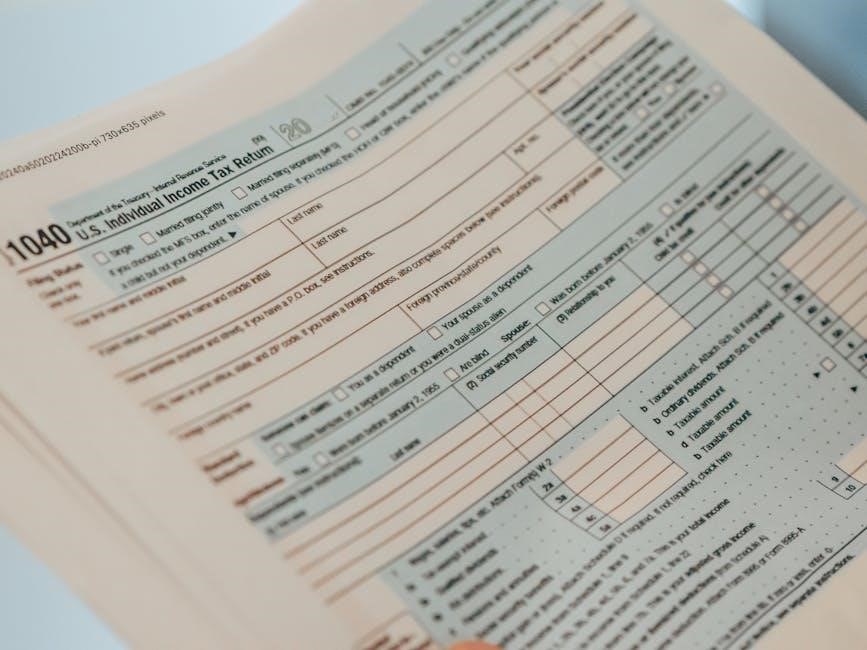
Form 941-X should be filed by any employer who discovers an error on a previously filed Form 941. This includes businesses, tax-exempt organizations, and government entities that are required to report employment taxes quarterly. Essentially, if you paid employment taxes and later find a mistake, this is the form to use.
Specifically, employers who need to correct reported wages, federal income tax withheld, or tax payments are required to file. This also applies to those needing to adjust the refundable portion of the Employee Retention Credit (ERC) claimed on a prior Form 941.
However, it’s crucial to understand that Form 941-X is not used to correct errors related to state taxes or other types of taxes. It’s solely for adjustments to federal employment taxes reported on Form 941. Employers should consult IRS publications and guidelines to determine if filing Form 941-X is necessary.

Understanding the Form Sections
Form 941-X comprises two primary parts: Employer Information and Underreported/Overreported Tax Information. Part 2 contains essential certifications required for accurate tax adjustments.
Employer Information Section
The Employer Information section of Form 941-X requires precise details to ensure proper processing of your adjusted return. This section demands your company’s legal name, as registered with the Internal Revenue Service (IRS). You must also provide your IRS Employer Identification Number (EIN), which uniquely identifies your business for tax purposes.
Furthermore, you’ll need to specify your business address, including street address, city, state, and ZIP code. Accurate contact information, such as a phone number, is also crucial for any IRS correspondence. It’s vital to confirm all entered information aligns perfectly with your original Form 941 and IRS records. Any discrepancies could lead to processing delays or rejection of your amended return. Double-checking this section minimizes potential issues and streamlines the correction process.

Part 1: Underreported/Overreported Tax Information
Part 1 of Form 941-X is where you detail any discrepancies between your originally filed Form 941 and the correct amounts. This section is divided to address both underreported and overreported taxes. When correcting underreported amounts, clearly indicate the line number from Form 941, the amount originally reported, and the corrected amount.
For overreported taxes, follow the same format, specifying the original and corrected figures. It’s crucial to only adjust the specific line items needing correction; leave other lines blank. Remember, you cannot use Form 941-X to correct federal income tax withholding if you didn’t accurately account for deductions initially. Carefully review each entry to ensure accuracy, as this section directly impacts your tax liability or potential refund. Accurate completion of Part 1 is fundamental to a successful amended return.
Correcting Underreported Taxes
When addressing underreported taxes on Form 941-X, meticulous detail is paramount. Begin by identifying the specific line from the original Form 941 where the underreporting occurred; In the designated columns, clearly state the amount initially reported and then input the accurate, corrected amount. This difference represents the additional tax liability you are now reporting.
Ensure the corrected amount reflects all applicable taxes, including federal income tax withheld, social security and Medicare taxes, and any other relevant assessments. Double-check calculations to avoid further errors. Remember, underreporting can lead to penalties and interest, so accurate correction is vital. Supporting documentation, such as amended payroll records, should be retained for your records in case of an IRS inquiry. Completing this section accurately ensures compliance and minimizes potential issues.
Correcting Overreported Taxes
If you previously overreported taxes on Form 941, Form 941-X allows you to claim a refund. Identify the line number on the original return where the overreporting took place. In the appropriate columns on Form 941-X, enter the initially reported amount and then the correct, lower amount. The difference signifies the overpayment you are now seeking to recover.
It’s crucial to understand that you cannot use Form 941-X to correct federal income tax withholding errors; separate procedures apply for those. Ensure the corrected amount accurately reflects the actual tax liability. Supporting documentation, like corrected payroll summaries, is essential for substantiating your claim. The IRS may request this documentation during the review process. Accurate completion of this section facilitates a swift and efficient refund process, avoiding potential delays or denials.
Part 2: Certifications
Part 2 of Form 941-X contains essential certifications that the filer must complete and sign. These certifications affirm the accuracy and completeness of the information provided on the form. The first certification confirms that the return is being filed for the correct tax period and that all information reported is true, correct, and complete to the best of the filer’s knowledge.
A second certification pertains to the refundable portion of the Employee Retention Credit (ERC), if applicable; If claiming an ERC adjustment, you must certify that you meet the eligibility requirements. Finally, the filer must provide their signature, title (if applicable), and date. An authorized officer of the company, or a legally authorized representative, must sign the form. Failure to properly complete and sign these certifications may result in processing delays or rejection of the amended return.

Specific Line Items & Corrections
Correcting specific lines on Form 941-X requires careful attention to detail. Adjustments to taxable wages, taxes withheld, and total tax are common.
Line 26a handles ERC adjustments, impacting the final refund or payment due on Line 27.
Line 1: Taxable Wages
Line 1 of Form 941-X pertains to the total taxable wages paid to employees during the quarter being corrected. If the initially reported wages were inaccurate, this is where adjustments are made. Employers must meticulously review payroll records to ensure the corrected amount accurately reflects the wages subject to federal income tax withholding.
When correcting underreported wages, add the difference to the original amount reported on Form 941. Conversely, if wages were overreported, subtract the excess. It’s crucial to remember that corrections on this line can cascade through subsequent calculations, impacting federal income tax withheld (Line 2) and ultimately, the total tax liability (Line 18).
Ensure any corrections align with supporting documentation, such as W-2 forms and payroll summaries. Discrepancies may trigger further scrutiny from the IRS. Accurate wage reporting is fundamental for proper tax calculation and compliance. Employers should consult Publication 15 for detailed guidance on taxable wage definitions and reporting requirements.
Line 2: Federal Income Tax Withheld
Line 2 on Form 941-X requires reporting the total amount of federal income tax withheld from employees’ wages during the quarter. This figure directly corresponds to the tax amounts shown on employees’ W-2 forms. Any discrepancies between the initially reported withholding and the actual amounts necessitate a correction using this form.
If the original Form 941 underreported the federal income tax withheld, add the difference to the previously reported amount. Conversely, for overreported amounts, subtract the excess. It’s vital to understand that correcting this line impacts the overall tax liability and potential refund or payment due.
The IRS emphasizes the importance of accurate withholding reporting. Employers should reconcile their payroll records and W-2s to ensure consistency. Note that if inaccuracies stem from incorrect withholding rates rather than calculation errors, Form 941-X may not be the appropriate solution; consult IRS guidance for alternative procedures.
Line 18: Total Tax
Line 18 of Form 941-X represents the total tax liability for the quarter, encompassing both social security and Medicare taxes, as well as federal income tax withheld and any other applicable taxes. This figure is a culmination of the calculations made in Parts 1 and 2 of the form.
When correcting a previously filed Form 941, adjustments to any component taxes (social security, Medicare, or income tax) will ultimately affect the total tax reported on Line 18. Employers must carefully recalculate this total based on the corrected information provided throughout the form.
If the original Form 941 reported an incorrect total tax amount, the difference – whether an underpayment or overpayment – will determine the amount of additional tax due or the refund requested. Accurate completion of Line 18 is crucial for ensuring proper tax accountability and avoiding potential penalties from the IRS.
Line 26a: Refundable Portion of Employee Retention Credit (ERC)
Line 26a on Form 941-X is specifically designated for reporting the refundable portion of the Employee Retention Credit (ERC). This credit was available to eligible employers during the COVID-19 pandemic to encourage retention of employees. If an employer previously claimed ERC on a Form 941 and is now correcting the amount, Line 26a is where the adjustment is made.
It’s vital to accurately calculate the refundable portion of the ERC, as this directly impacts the overall refund or payment due. Employers should refer to IRS guidance and publications related to the ERC to ensure correct calculations. Any adjustments to the ERC claimed will flow through to Line 27, affecting the final amount owed or refunded.
Remember that the ERC rules are complex, and claiming an incorrect amount can lead to scrutiny from the IRS. Thorough documentation supporting the ERC claim is essential when filing Form 941-X.
Line 27: Total Payment/Refund Due
Line 27 of Form 941-X represents the ultimate calculation – the total payment either due to the IRS or the refund amount the employer is entitled to receive. This figure is derived from the adjustments made throughout Part 1 of the form, considering underreported or overreported taxes, and any corrections to credits like the Employee Retention Credit (ERC) reported on Line 26a.

If the adjustments result in a net underpayment of taxes, the amount on Line 27 will be the total payment due. Conversely, if the adjustments reveal a net overpayment, Line 27 will reflect the refund amount. Employers must ensure all prior calculations are accurate before finalizing this crucial line.

A negative value on Line 27 indicates a refund, while a positive value signifies a payment owed. Proper completion of Line 27 ensures accurate reconciliation with the IRS and avoids potential penalties.

Filing Form 941-X
Form 941-X filing adheres to a statute of limitations, allowing corrections within specified timeframes. Options include electronic submission or traditional paper mailing to the IRS.
Statute of Limitations for Filing
Understanding the statute of limitations is crucial when filing Form 941-X. Generally, you have three years from the date you filed the original Form 941, or two years from the date you paid the tax, whichever date is later, to file a claim for a refund using Form 941-X.
However, specific rules apply depending on the nature of the correction. For example, if you are correcting an error related to the Employee Retention Credit (ERC), the limitations may differ; It’s essential to consult the latest IRS guidance, as these rules can be complex and subject to change.
Beyond these timeframes, the IRS may not accept your amended return. Therefore, prompt action is recommended to ensure your claim is processed correctly. Keep meticulous records of your original filings and any supporting documentation to facilitate a smooth correction process. Always refer to Publication 15 for detailed information regarding these limitations.
Electronic Filing Options
The IRS encourages electronic filing of Form 941-X for efficiency and faster processing. Several options are available for submitting your amended return electronically. Businesses can utilize the IRS’s Filing Information Returns Electronically (FIRE) system, a secure platform for submitting various tax forms.
Alternatively, many payroll service providers and tax professionals offer electronic filing services for Form 941-X as part of their broader suite of services. These providers often integrate directly with IRS systems, streamlining the filing process and minimizing errors.
Before choosing an electronic filing method, ensure it’s authorized by the IRS. Refer to Publication 15 or the IRS website for a list of approved e-file providers. Electronic filing generally offers faster refund processing and reduces the risk of lost or delayed paper submissions. Detailed instructions are available within the form itself and on the IRS website.
Paper Filing Instructions

If you choose to file Form 941-X by mail, ensure you complete all sections accurately and legibly. Use black ink and type or print clearly. Double-check all calculations before submitting. Gather all necessary supporting documentation, though generally, you don’t need to attach copies of original Form 941s unless specifically requested by the IRS.
Complete the form using the latest revision, dated April 2025, available on the IRS website. Sign and date the form in the designated areas. Make a copy for your records before mailing. Use the appropriate mailing address based on your location, as detailed in the Form 941-X instructions and Publication 15.
Mail the completed form via certified mail with return receipt requested for proof of delivery. Allow ample time for processing, as paper submissions typically take longer than electronic filings. The IRS advises against using plastic sleeves or folders when mailing your return;
Where to Mail Form 941-X
The mailing address for Form 941-X depends on whether you are requesting a refund or making a payment. If you are requesting a refund, mail the form to the address specified for your state in the Form 941-X instructions. These addresses are also listed within Publication 15, the Employer’s Tax Guide.
If you are making a payment with Form 941-X, the mailing address differs. Refer to the IRS website or the form instructions for the correct address based on the type of tax you are paying and your location. Using the incorrect address can cause delays in processing your return and payment.
Always verify the current mailing addresses on the IRS website (IRS.gov) before submitting your form, as these addresses can change. Ensure the address is clearly written and complete to avoid processing errors. The IRS does not accept Form 941-X filings at third-party service centers.

Resources and Further Information
For detailed guidance, explore the official IRS website and relevant publications like Publication 15. Stay updated with recent developments and the April 2025 revision!
IRS Website and Publications
The Internal Revenue Service (IRS) website is the primary resource for all things Form 941-X. You’ll find downloadable forms, detailed instructions in PDF format, and frequently asked questions designed to assist employers in accurately completing and filing their adjusted returns. Direct links to the form and instructions are readily available, ensuring easy access to the most current versions.
Beyond the form itself, the IRS offers a wealth of supporting publications. Publication 15, “Employer’s Tax Guide for Wage Reporting and Withholding,” is particularly valuable. It provides comprehensive guidance on employer tax responsibilities, including information relevant to correcting errors on Form 941 using Form 941-X. This publication covers topics like wage reporting, federal income tax withholding, and various credits available to employers.
Regularly checking the IRS website for updates and announcements is crucial, as tax laws and regulations can change. The IRS often publishes news releases and alerts regarding important filing deadlines and any modifications to form requirements. Utilizing these resources will help ensure compliance and avoid potential penalties.
Publication 15: Employer’s Tax Information Guide
Publication 15, the “Employer’s Tax Guide for Wage Reporting and Withholding,” is an indispensable resource when navigating Form 941-X. While not solely dedicated to the correction form, it provides the foundational understanding of employer tax obligations necessary for accurate adjustments. It details proper wage reporting procedures, federal income tax withholding requirements, and the nuances of various employment tax credits.
Specifically, Publication 15 clarifies how errors on the original Form 941 arise and the appropriate method for correction using Form 941-X. It explains scenarios where adjustments are needed, such as incorrect wage amounts, miscalculated tax withholdings, or improper claiming of credits like the Employee Retention Credit (ERC). The guide offers step-by-step instructions on calculating the correct tax liability and completing the relevant sections of Form 941-X.
Employers should consult Publication 15 to ensure they fully grasp their responsibilities and avoid common errors. It’s a comprehensive guide that complements the Form 941-X instructions, providing context and clarity for a smoother filing process.
Recent Developments & Updates (April 2025 Revision)
The April 2025 revision of the Form 941-X instructions primarily addresses clarifications regarding the Employee Retention Credit (ERC) and its proper reporting on the amended return. The IRS has observed a surge in erroneous ERC claims, leading to increased scrutiny and updated guidance. The revised instructions emphasize the importance of verifying eligibility before claiming the credit and accurately calculating the refundable portion on Line 26a.
Furthermore, the update reinforces the statute of limitations for filing Form 941-X, reminding employers that corrections must be made within the allowable timeframe. The IRS also highlights the availability of electronic filing options, encouraging taxpayers to utilize these methods for faster processing and reduced errors.
Taxpayers should be aware that the April 2025 instructions apply to all open tax years for which the statute of limitations hasn’t expired, ensuring consistent application of the latest guidance. Staying current with these updates is crucial for accurate tax reporting and compliance.