
The Ultimate Beach Parents Guide

Navigating beach days with little ones requires preparation! From South Africa’s expansive 2,798km coastline to Myrtle Beach upgrades,
planning ensures fun and safety for the entire family during the summer heat.
Planning Your Beach Trip
Embarking on a beach adventure with children demands thoughtful preparation. Consider the unique characteristics of your chosen destination; South Africa’s coastline, stretching nearly 2,800 kilometers, offers diverse experiences, but also intense summer heat. Prioritize beaches with readily available facilities and consider accessibility needs for all family members.
Before you go, meticulously plan your packing list. Beyond the usual swimsuits and towels, anticipate the needs of babies and toddlers – more on that later! Check for recent updates regarding beach access points, as cities like Myrtle Beach are actively working to improve signage and information availability. Knowing what to expect regarding access will streamline your arrival.
Don’t underestimate the importance of checking weather forecasts and understanding potential hazards. Being informed about rip currents, jellyfish, and other marine life is crucial for a safe and enjoyable trip. A little pre-trip research can transform a potentially stressful situation into a relaxing family getaway.
Choosing the Right Beach
Selecting the ideal beach hinges on your family’s specific needs and the ages of your children. South Africa’s extensive coastline presents a multitude of options, from sheltered coves to expansive, wave-swept shores. For families with very young children, prioritize beaches known for calm waters and gentle slopes.
Consider the availability of amenities. Are restrooms, changing facilities, and shaded areas readily accessible? Beaches with lifeguards on duty offer an added layer of security. Investigate whether the beach offers accessible features if anyone in your party has mobility concerns – a growing focus for many coastal areas.

Research potential hazards. Are jellyfish common in the area? Are there known rip currents? Understanding these risks allows you to take appropriate precautions. Remember, even seemingly idyllic beaches can present dangers, so informed decision-making is paramount. Prioritize safety and choose a beach that aligns with your family’s comfort level.
Packing Essentials for Babies & Toddlers
A well-packed beach bag is crucial for a stress-free outing with little ones! Beyond the standard sunscreen and towels, consider the unique needs of babies and toddlers. Pack a dedicated diaper bag with ample diapers, wipes, and changing pads – sand and diapers don’t mix well!
Bring a portable shade solution, like a beach tent or umbrella, to protect delicate skin from the intense South African summer sun. Lightweight, quick-drying clothing is ideal, along with a rash guard for added sun protection. Don’t forget hats with chin straps to keep them securely in place.
Snacks and drinks are essential to combat hunger and thirst. Pack plenty of water to prevent dehydration. A small first-aid kit with band-aids, antiseptic wipes, and any necessary medications is also a must-have. Consider bringing familiar toys to keep them entertained, and a waterproof bag for wet clothes and diapers.
Sun Protection: A Comprehensive Guide
Protecting your children’s skin from the sun is paramount, especially during South Africa’s intense summer heat. Sunscreen is your first line of defense, but choosing the right one is key. Opt for a broad-spectrum sunscreen with an SPF of 30 or higher, and reapply every two hours, or more frequently if swimming or sweating.
Remember that sunscreen alone isn’t enough. Seek shade whenever possible, particularly during peak sun hours (10 am to 4 pm). Utilize beach umbrellas, tents, or natural shade from trees. Dress your children in protective clothing, including long-sleeved shirts, pants, and wide-brimmed hats.
Don’t forget sunglasses to protect their eyes from harmful UV rays. Even on cloudy days, UV radiation can penetrate the clouds, so sun protection is essential year-round. Be mindful of reflections from the water and sand, which can intensify sun exposure.
Beach Safety First
A safe beach experience hinges on awareness and proactive measures. Australian beaches present a significant danger – rip currents – demanding vigilance. Educate yourself and your children about identifying rip currents: look for channels of choppy, discolored water moving away from the shore.
If caught in a rip current, do not swim against it. Instead, swim parallel to the shore until you escape the current, then swim towards the beach. Supervise children closely, keeping them within arm’s reach, especially in the water. Be aware of marine life, including jellyfish, and learn how to treat stings.
Establish clear water safety rules: no running into the water, no swimming alone, and always swim with a buddy; Understand beach flag warnings and heed lifeguard instructions. Constant supervision and knowledge are crucial for a worry-free day by the sea.
Understanding Rip Currents
Rip currents are powerful, narrow channels of water flowing away from the shore, posing a serious threat to swimmers. They don’t pull you under the water, but carry you away from the beach, often unexpectedly. Recognizing them is the first step to safety.
Visually, rip currents often appear as breaks in the wave pattern – areas where waves aren’t breaking as consistently. They can also be identified by channels of choppy, discolored water, or lines of foam and debris moving seaward. The water within a rip current may look calmer than surrounding areas, deceptively inviting.
If caught in a rip current, remain calm. Do not attempt to swim directly back to shore against the current; this will exhaust you. Instead, swim parallel to the shoreline until you are out of the current’s pull, then swim at an angle away from it. If unable to swim, float or tread water and signal for help.
Recognizing and Avoiding Jellyfish & Other Marine Life
Protecting your family extends beyond rip currents to include awareness of marine life. Jellyfish, while beautiful, can deliver painful stings. Learn to identify common jellyfish species in the area you’re visiting – their appearance varies greatly. Look for translucent, bell-shaped creatures drifting in the water or washed ashore.
Prevention is key: avoid swimming immediately after storms, as this is when jellyfish are often brought closer to shore. Wearing protective clothing, like a rash guard or wetsuit, can minimize skin exposure. Always shuffle your feet when walking in shallow water to avoid stepping on hidden creatures like stingrays.
If stung by a jellyfish, do not rub the affected area, as this can release more venom. Rinse the sting with seawater (not freshwater, which can worsen the pain) and carefully remove any visible tentacles with tweezers. Seek medical attention if the reaction is severe.
Water Safety Rules for Children
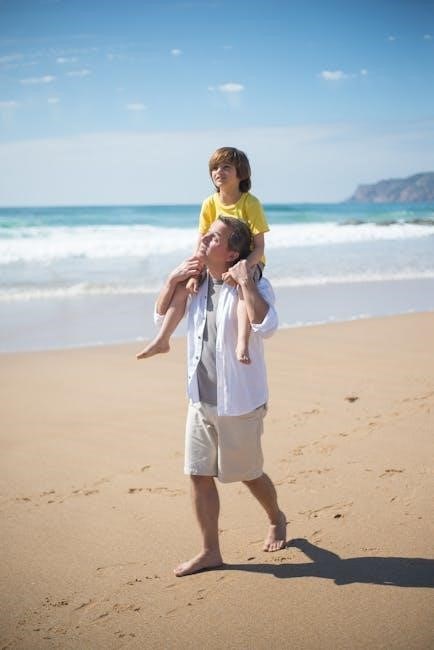
Constant, vigilant supervision is paramount when children are near the water. Designate a “water watcher” – an adult solely responsible for observing children in the swimming area, avoiding distractions like phones or books. Even shallow water presents a drowning risk for young children.
Establish clear rules before entering the water: no running near the water’s edge, no swimming alone, and always ask permission before going deeper. Ensure children understand the buddy system – they should always swim with a companion. Consider using appropriate flotation devices, like life jackets, especially for non-swimmers or in rough water conditions.

Teach children about rip currents and what to do if caught in one – swim parallel to the shore. Regularly reinforce these safety rules and practice them in a controlled environment. Remember, a proactive approach to water safety can prevent tragic accidents and ensure a fun, worry-free beach experience.
Keeping Little Ones Entertained
Transforming a beach day into an adventure for kids requires a little creativity! Beyond basic beach toys, consider age-appropriate activities to spark imagination and engagement. For toddlers, simple buckets, shovels, and molds are perfect for exploring sand textures and building miniature worlds.
Older children will enjoy more complex sandcastle construction, requiring teamwork and planning. Bring along small figurines or shells to decorate their creations. Beach games like frisbee, beach volleyball (with a soft ball), or a simple scavenger hunt can keep the whole family active and entertained.
Don’t underestimate the power of storytelling or creating beach art using natural materials. Encourage exploration of tide pools (with supervision) and identification of seashells; A well-planned selection of activities ensures everyone enjoys the sun, sand, and sea, creating lasting memories.
Beach Toys & Activities for Different Ages
Selecting the right beach toys is crucial for age-appropriate fun and safety. For babies and very young toddlers (under 18 months), focus on simple, sensory experiences. Soft buckets, textured balls, and stacking cups are ideal for exploring sand and water under close supervision.
Toddlers (18 months – 3 years) thrive with buckets, shovels, and molds for building basic sandcastles. Introduce simple water toys like floating boats or watering cans. Preschoolers (3-5 years) can handle more complex building sets, frisbees, and beach balls, encouraging cooperative play.
School-aged children (5+ years) enjoy beach volleyball, kites, and scavenger hunts. Consider bringing art supplies for sand drawing or shell collecting. Remember to prioritize safety – avoid small parts for younger children and always supervise water play. A variety of options keeps everyone engaged and happy!
Building Sandcastles: A Step-by-Step Guide
Creating magnificent sandcastles is a classic beach activity! First, gather wet sand near the water’s edge – the consistency is key. Pack it tightly into a sturdy bucket, pressing down firmly to eliminate air pockets. Flip the bucket onto your chosen spot and gently lift, revealing your tower base.

Repeat this process to build multiple towers of varying sizes. Use a shovel to connect the towers with walls, smoothing the sand as you go. For intricate details, employ smaller tools like spoons or plastic knives. Moats can be dug around the castle for added defense against the incoming tide.
Decorate with shells, seaweed, and pebbles for a personalized touch. Remember to build away from the immediate waterline to prolong your creation’s lifespan. Most importantly, have fun and embrace the impermanence of sand art – it’s all about the process!
Beach Games for the Whole Family
Beyond sandcastles, a plethora of beach games can entertain everyone! Classic beach volleyball is always a hit, requiring only a ball and some enthusiastic players. Frisbee offers a less strenuous option, perfect for all ages and skill levels. A simple game of tag, adapted for the sandy terrain, provides endless laughter.
For a more strategic challenge, try building a collaborative sand sculpture, assigning different roles to each family member. Alternatively, organize a scavenger hunt, hiding shells or small toys for children to discover. Limbo, using a beach towel or rope, adds a playful competitive element.
Don’t underestimate the fun of a good old-fashioned water balloon toss (ensure responsible disposal!). Remember to adapt games to suit the age and abilities of your children, prioritizing safety and inclusivity. These shared experiences create lasting beach memories.
Dealing with Common Beach Challenges
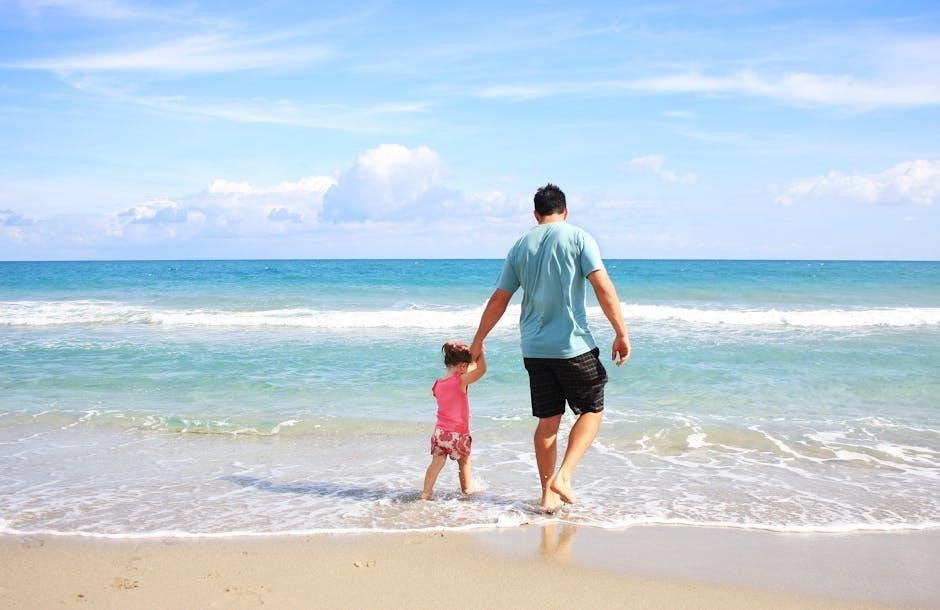
Beach trips with kids inevitably present hurdles, but preparation minimizes stress! The ubiquitous sand invasion requires strategic packing – resealable bags are your best friend for wet clothes and toys. A dedicated “sand removal station” with a brush and towel near your beach setup is invaluable.
Sunburn and heat rash are common concerns. Consistent sunscreen application, protective clothing, and seeking shade during peak hours are crucial. Recognizing the early signs of heat exhaustion – dizziness, nausea – allows for prompt intervention.
A well-stocked first aid kit is essential, including bandages, antiseptic wipes, pain relief, and after-sun lotion. Be prepared for minor scrapes and stings. Knowing the location of the nearest lifeguard station provides peace of mind. Proactive planning transforms potential problems into manageable moments, ensuring a smoother, more enjoyable beach experience.

Managing Sand in Everything!
Let’s face it: sand is the glitter of the beach world – it gets everywhere! Accepting this reality is the first step. Pack strategically: large, resealable plastic bags are essential for containing sandy clothes, diapers, and toys. Designate a “sand-free zone” – a large beach blanket or towel where little ones can play without immediate sand saturation.
Baby powder is a surprisingly effective sand remover. Sprinkle it on sandy skin, and the sand brushes right off! A small, portable hand vacuum can be a lifesaver for quickly cleaning up sand inside bags or coolers. Before leaving the beach, shake out towels and bags thoroughly.
Consider a mesh beach bag to allow sand to fall through; Embrace the inevitable – a little sand in the car isn’t the end of the world! Focus on creating memories, and don’t let sand steal your joy.
Dealing with Sunburn & Heat Rash
Even with diligent sun protection, sunburn and heat rash can happen. Recognizing the signs early is crucial. Sunburn presents as red, painful skin, while heat rash appears as small, itchy bumps, often in skin folds. Immediate action is key to providing relief and preventing complications.
For sunburn, cool compresses and aloe vera gel can soothe the skin. Ensure your child stays hydrated by offering plenty of fluids. Loose-fitting, breathable clothing will minimize irritation. Avoid further sun exposure until the burn heals. For heat rash, move to a cooler, shaded area and keep the skin dry.
Lightweight, cotton clothing is ideal. Avoid oily lotions or creams that can trap heat. If symptoms worsen, or your child develops a fever, seek medical attention promptly. Prevention, through consistent sun protection, remains the best approach.
First Aid Kit Essentials for the Beach
A well-stocked first aid kit is non-negotiable for beach trips. Beyond standard bandages and antiseptic wipes, consider beach-specific needs. Include pain relievers for both adults and children, addressing potential sunburn discomfort or minor injuries.
Antihistamine cream or tablets are vital for jellyfish stings or insect bites, common coastal occurrences. Calamine lotion provides soothing relief for itching and minor skin irritations. Don’t forget tweezers for removing splinters – sand and wood are frequent culprits!
Hydration salts are crucial for replenishing electrolytes lost through sweat, especially during hot South African summers. A thermometer helps monitor for fever, indicating potential heat exhaustion. Finally, include a small, waterproof container for any personal medications. Knowing how to use each item is as important as having it!
Beyond the Sand: Beach Access & Facilities
Successful beach outings depend on understanding access and available facilities. Consider accessibility needs – are there ramps or designated pathways for strollers and wheelchairs? Knowing this beforehand ensures everyone can enjoy the coastline comfortably.
Up-to-date signage regarding beach access points is crucial, as conditions can change. The City of Myrtle Beach is actively working on upgrading its signage, demonstrating a commitment to clear information for visitors. Look for details about parking, restrooms, and lifeguard stations.
South Africa’s extensive 2,798-kilometer coastline presents varied facilities. Some beaches are fully equipped with amenities, while others are more natural and remote. Researching specific beaches beforehand will reveal what to expect, from shaded areas to nearby shops and restaurants. Planning around these facilities enhances the overall family experience.

Accessibility Considerations for Beaches
Ensuring inclusive beach experiences requires mindful planning for all family members. Accessibility extends beyond wheelchair access; consider strollers, walkers, and individuals with sensory sensitivities.
Look for beaches offering ramps, boardwalks, or designated accessible pathways leading to the sand. These features provide easier navigation for those with mobility challenges. Beach wheelchairs are becoming increasingly available for rent at many locations, allowing everyone to enjoy the water’s edge.
Beyond physical access, consider sensory considerations. Crowded beaches can be overwhelming. Identifying quieter areas or visiting during off-peak hours can create a more comfortable environment. Information about accessible restrooms and changing facilities is also vital. Proactive research into a beach’s accessibility features will contribute to a more enjoyable and stress-free outing for everyone involved, fostering inclusivity and fun.
Beach Access Point Signage & Updates

Clear and current signage at beach access points is crucial for a smooth and safe family outing. The City of Myrtle Beach is actively working to upgrade its existing signage, recognizing the importance of readily available information for visitors.
Effective signage should clearly indicate access points, parking availability (including accessible parking), restroom locations, and any current beach advisories or warnings. Look for signs detailing water quality, potential hazards like rip currents, or the presence of marine life. Real-time updates regarding these conditions are invaluable.
Many beaches now utilize online resources or mobile apps to provide up-to-date information. Checking these sources before your visit can save time and ensure you’re prepared for any potential challenges. Well-maintained and informative signage, coupled with digital updates, empowers families to make informed decisions and maximize their beach experience, promoting both convenience and safety.
South African Beach Considerations (Coastline Length & Summer Heat)
South Africa’s remarkable 2,798-kilometer coastline presents diverse beach experiences, but also unique challenges for families, particularly during the intense summer heat. Planning requires acknowledging this vastness and the associated climatic conditions.
The sheer length of the coastline means beaches vary significantly in terms of facilities, water temperature, and potential hazards. Some areas experience strong currents, while others are more sheltered. Summer temperatures can soar, increasing the risk of sunburn and heatstroke, especially for young children.
Prioritize beaches with lifeguards and shaded areas. Pack ample sun protection – hats, sunglasses, and high-SPF sunscreen – and ensure everyone stays hydrated. Be mindful of the time of day, seeking shade during peak sun hours. Understanding these specific South African conditions is vital for a safe and enjoyable beach holiday with your little ones, allowing you to fully appreciate the beauty of the coastline.