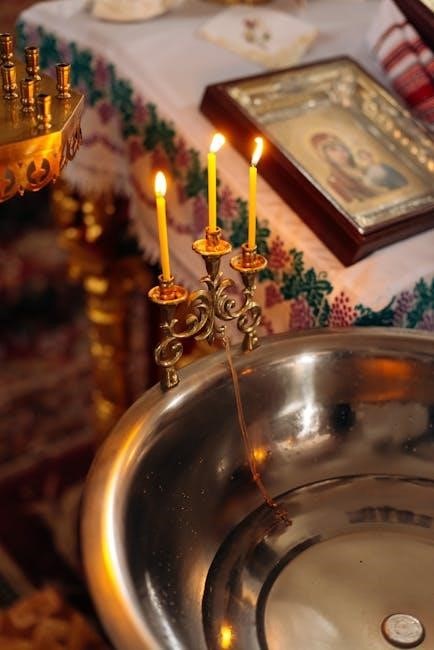
I․ Understanding Baptismal Promises
Baptism‚ a foundational Christian rite‚ marks entry into spiritual life‚ serving as a gateway to sacraments and a testament to faith’s enduring power․
A․ The Significance of Renewal
Renewal of Baptismal Promises isn’t merely a repetition‚ but a profound re-affirmation of the commitments made – or made on one’s behalf – during initial baptism․ It’s a vital practice‚ acknowledging baptism as the bedrock of Christian existence and the doorway to a vibrant spiritual life․ This renewal serves as a powerful opportunity for individuals to consciously reject sin and Satan‚ and to actively profess their unwavering faith in God․
The significance lies in recognizing that life’s journey can sometimes obscure the clarity of those initial vows․ Renewal offers a chance to refocus‚ to strengthen one’s relationship with God‚ and to recommit to a life guided by Christian principles․ It’s a moment to actively participate in the ongoing process of spiritual growth and deepening faith‚ ensuring baptism’s grace continues to flourish within the believer․
B․ Historical Context of Renewal
The practice of renewing baptismal promises isn’t a modern invention‚ but deeply rooted in the early Church․ Historically‚ the Easter Vigil served as a primary time for such renewal‚ particularly for those preparing for full initiation into the faith․ Catechumens‚ undergoing conversion‚ would publicly renounce evil and profess their belief alongside those already baptized‚ reaffirming their commitment․
This practice stemmed from a recognition that the initial baptismal grace needed continual nurturing․ Early Christians faced persecution and societal pressures‚ making consistent reaffirmation of faith crucial․ Over time‚ while the Easter Vigil remained central‚ opportunities for renewal expanded․ The rite evolved‚ becoming a means for all Christians to periodically revisit and revitalize their baptismal calling‚ ensuring its transformative power remained active in their lives․
C․ Theological Foundations of Baptism
Baptism’s theological significance lies in its representation of death to sin and resurrection to new life in Christ․ It’s not merely a symbolic act‚ but a genuine participation in Christ’s saving work‚ imparting grace and incorporating the believer into the Body of Christ‚ the Church․ This foundational sacrament establishes a new identity‚ marked by forgiveness and the indwelling of the Holy Spirit․
Renewal of baptismal promises‚ therefore‚ isn’t repeating a past event‚ but reactivating and deepening the grace received․ It’s a conscious response to God’s ongoing initiative‚ reaffirming the commitments made on one’s behalf (in infant baptism) or personally (in adult baptism)․ This renewal acknowledges baptism as the basis of Christian life‚ continually opening the door to spiritual vitality and sacramental participation․

II․ The Rite of Renewal of Baptismal Promises
This sacred rite‚ practiced across Churches‚ signifies a recommitment to faith‚ often performed annually for adults‚ and reinforces the initial baptismal vows․
A․ When is Renewal Typically Performed?
The renewal of baptismal promises isn’t confined to a single time‚ exhibiting flexibility within the liturgical calendar․ A prominent occasion is the Easter Vigil‚ a deeply symbolic period representing resurrection and new beginnings‚ where candidates and the faithful alike reaffirm their faith․ However‚ renewal isn’t exclusive to Easter; parishes frequently offer opportunities throughout the year‚ catering to individual spiritual needs and group retreats․
Furthermore‚ specific dioceses or religious orders may incorporate renewal rites into their regular devotional practices․ Travel agencies‚ like trendtours‚ planning religious pilgrimages in 2026‚ might even integrate these moments into their itineraries․ The timing often aligns with significant feast days or during periods of personal reflection‚ allowing individuals to consciously revisit and strengthen their commitment to their baptismal calling․ Ultimately‚ the “when” is guided by pastoral sensitivity and the desire to foster ongoing spiritual growth․
B․ Who Can Participate in Renewal?
Participation in the renewal of baptismal promises is remarkably inclusive‚ extending far beyond those newly initiated into the faith․ It’s open to all baptized Christians – infants‚ children‚ and adults – regardless of their current level of religious practice․ This universality underscores the belief that baptismal grace is a continuous source of strength and requires periodic reaffirmation․
Individuals preparing for other sacraments‚ such as Confirmation or Marriage‚ often participate as part of their broader spiritual preparation․ Even those experiencing periods of doubt or spiritual dryness are encouraged to engage in renewal‚ viewing it as an opportunity for reconnection with God․ The rite welcomes anyone seeking a deeper relationship with Christ‚ mirroring the inclusive spirit of travel opportunities offered by companies like trendtours in 2026‚ catering to diverse spiritual journeys․ It’s a communal act‚ yet profoundly personal․
C․ The Liturgical Structure of the Rite
The Rite of Renewal of Baptismal Promises typically follows a structured liturgical format‚ often integrated within larger services like the Easter Vigil or a Sunday Mass․ It begins with a period of reflection on baptism‚ followed by the communal recitation of the renunciation of sin and profession of faith․ This echoes the initial promises made at baptism‚ or by parents and godparents on the candidate’s behalf․
Central to the rite is the renewal of the baptismal vows – a clear and public affirmation of belief in God‚ rejection of Satan‚ and acceptance of the Holy Trinity․ Water is often blessed and sprinkled upon the participants‚ symbolizing the cleansing and renewing power of baptism․ Like carefully planned travel itineraries from trendtours‚ the rite offers a structured path towards spiritual refreshment‚ culminating in prayer and often a blessing․ The structure emphasizes both personal commitment and communal witness․

III․ Key Elements of the Promises
Central tenets involve renouncing evil‚ professing faith in God‚ and affirming belief in the Holy Trinity – foundational pillars of Christian doctrine and life․
A․ Renouncing Sin and Satan
The act of renouncing sin and Satan during the renewal is a powerful reaffirmation of one’s commitment to a life guided by Christian principles․ It’s a deliberate turning away from darkness and embracing the light of God’s grace․ This isn’t merely a recitation of words‚ but a conscious rejection of all that opposes divine will‚ encompassing personal failings and the broader forces of evil․
Historically‚ this renunciation symbolized a break from past allegiances and a dedication to following Christ․ It acknowledges the reality of temptation and the ongoing struggle against sin․ The individual publicly declares their desire to resist evil influences and live according to God’s commandments․ This public declaration strengthens resolve and invites the support of the Christian community in maintaining a righteous path․ It’s a vital step in deepening one’s spiritual journey․
B․ Professing Faith in God
Professing faith in God during the renewal of baptismal promises is the central act of reaffirmation․ It’s a public declaration of belief in the divine‚ encompassing trust in God’s love‚ mercy‚ and unwavering presence․ This isn’t a passive acceptance‚ but an active and conscious embrace of the core tenets of the Christian faith; Individuals verbally express their belief in God as the creator and sustainer of all things․
This profession builds upon the initial faith expressed at baptism‚ now deepened by lived experience and spiritual growth․ It’s a moment to articulate one’s personal relationship with God and to reaffirm commitment to following Christ’s teachings․ The declaration serves as a reminder of the foundational beliefs that underpin a Christian life‚ strengthening resolve and fostering a closer connection with the divine․
C․ Believing in the Holy Trinity
Belief in the Holy Trinity – God as Father‚ Son‚ and Holy Spirit – is a cornerstone of Christian doctrine reaffirmed during the renewal of baptismal promises․ This isn’t merely intellectual assent‚ but a profound understanding of God’s multifaceted nature and relational existence․ It acknowledges the distinct persons within the Godhead‚ united in essence‚ power‚ and glory․
Reaffirming faith in the Trinity signifies acceptance of the mystery of God’s self-revelation․ It’s a commitment to worshipping one God in three persons‚ recognizing the unique role of each in salvation history․ The profession acknowledges Jesus Christ as the Son of God‚ fully divine and fully human‚ and the Holy Spirit as the empowering presence of God in the world and within believers․ This belief shapes understanding of God’s love and grace․
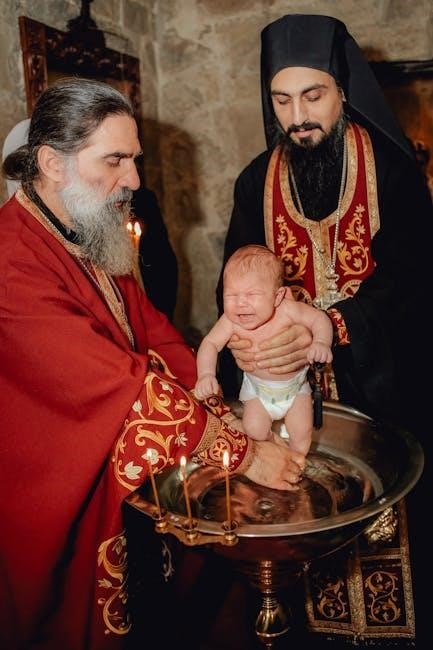
IV․ The Role of the Community
The Christian community witnesses and supports individuals renewing baptismal promises‚ fostering a shared faith and collective commitment to discipleship․
A․ Witnessing the Renewal
The presence of the community during the renewal of baptismal promises is profoundly significant․ It’s not merely a passive observation‚ but an active participation in a public declaration of faith․ The gathered believers serve as witnesses to the individual’s reaffirmed commitment to Christ and the tenets of the Christian faith․ This collective witnessing reinforces the communal nature of baptism itself‚ reminding all present of their shared baptismal identity and ongoing responsibility to live out their faith․
Furthermore‚ witnessing the renewal strengthens the bonds within the church․ It’s a visible demonstration of mutual support and encouragement‚ fostering a sense of unity and shared purpose․ The act of witnessing inspires others to reflect on their own faith journeys and consider their own relationship with God‚ potentially leading to a deeper personal commitment․ It’s a powerful reminder that faith is not lived in isolation‚ but within the context of a believing community․
B․ Supporting the Renewing Individual
Beyond simply witnessing‚ the community plays a vital role in actively supporting the individual renewing their baptismal promises․ This support extends before‚ during‚ and after the rite itself․ Pre-renewal‚ offering encouragement and prayer demonstrates care and solidarity․ During the ceremony‚ a palpable sense of communal prayer and affirmation strengthens the individual’s resolve․
Post-renewal‚ continued support is crucial․ This can take many forms – offering practical assistance‚ providing accountability‚ engaging in meaningful conversation about faith‚ and simply being present․ The renewing individual may be navigating challenges or seeking deeper spiritual growth‚ and the community’s ongoing encouragement can be instrumental in their journey․ This support embodies the Christian call to mutual edification and loving fellowship‚ reinforcing the transformative power of baptism․
C․ The Priest/Deacon’s Role in the Rite
The priest or deacon serves as the central facilitator of the Renewal of Baptismal Promises rite‚ guiding the individual and the community through the liturgical structure․ Their role extends beyond simply reciting prescribed prayers; they embody the Church’s authority and pastoral care․ They prepare the individual‚ ensuring understanding of the promises and offering spiritual direction if needed․
During the rite‚ the priest/deacon leads the renunciation of sin and profession of faith‚ invoking God’s grace and blessing․ They administer any accompanying sacramental elements‚ like the sprinkling with holy water․ Post-renewal‚ they offer continued pastoral support‚ encouraging ongoing faith development․ Their presence signifies the Church’s affirmation of the renewed commitment and provides a vital link to the sacramental life․
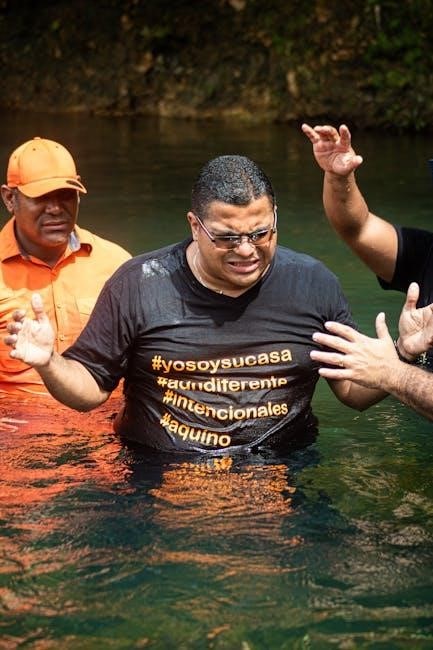
V․ Practical Considerations: The PDF Document
PDF resources offer accessible rites for personal or communal use‚ detailing the renewal process‚ prayers‚ and reflections for deepening one’s faith journey․
A․ Sources for Obtaining a “Renewal of Baptismal Promises PDF”
Numerous online resources provide downloadable PDFs for the Renewal of Baptismal Promises․ Diocesan websites are excellent starting points‚ often offering liturgical materials specific to their region and traditions․ Parish websites frequently host these documents as well‚ catering to their congregation’s needs․
Liturgical publishers‚ such as Oregon Catholic Press or Loyola Press‚ often feature downloadable resources‚ including the renewal rite‚ within their digital collections․ A general internet search using keywords like “Renewal of Baptismal Promises PDF” will yield a variety of results‚ but it’s crucial to verify the source’s authenticity and alignment with official Church teachings․
Catholic organizations dedicated to liturgical resources also provide accessible PDFs․ Ensure the document reflects the approved liturgical norms of your specific denomination to maintain fidelity to the sacrament’s meaning and practice․
B․ Common Contents of the PDF
A typical “Renewal of Baptismal Promises PDF” generally includes the complete liturgical text for the rite‚ outlining the priest or deacon’s prompts and the congregation’s responses․ It features the renunciation of sin and Satan‚ followed by a profession of faith in God the Father‚ Son‚ and Holy Spirit – central tenets of Christian belief․
The PDF often provides musical suggestions for hymns and acclamations used during the ceremony‚ enhancing the worshipful atmosphere․ Some versions include preparatory prayers for the presider and guidance for those leading the rite․ Instructions regarding the use of blessed water‚ symbolizing purification and new life‚ are also frequently included․
Furthermore‚ many PDFs offer variations for different liturgical seasons‚ such as Easter‚ and may contain supplemental prayers or readings to enrich the experience of renewal and deepen participants’ faith․
C; Using the PDF for Personal Reflection
A “Renewal of Baptismal Promises PDF” isn’t solely for communal worship; it’s a powerful tool for individual spiritual growth; Reading through the renunciations of sin and Satan can prompt honest self-assessment‚ identifying areas needing repentance and change․ Contemplating the profession of faith encourages a deeper understanding of core Christian beliefs․
The PDF’s liturgical text allows for personal prayerful recitation of the promises‚ reinforcing commitment to God and the Christian life․ Reflecting on the symbolism of baptism – death to sin and resurrection to new life – can be profoundly impactful․
Using the document as a springboard for journaling‚ meditating on scripture related to baptism‚ or simply spending quiet time in prayer fosters a renewed relationship with God and strengthens one’s faith journey․
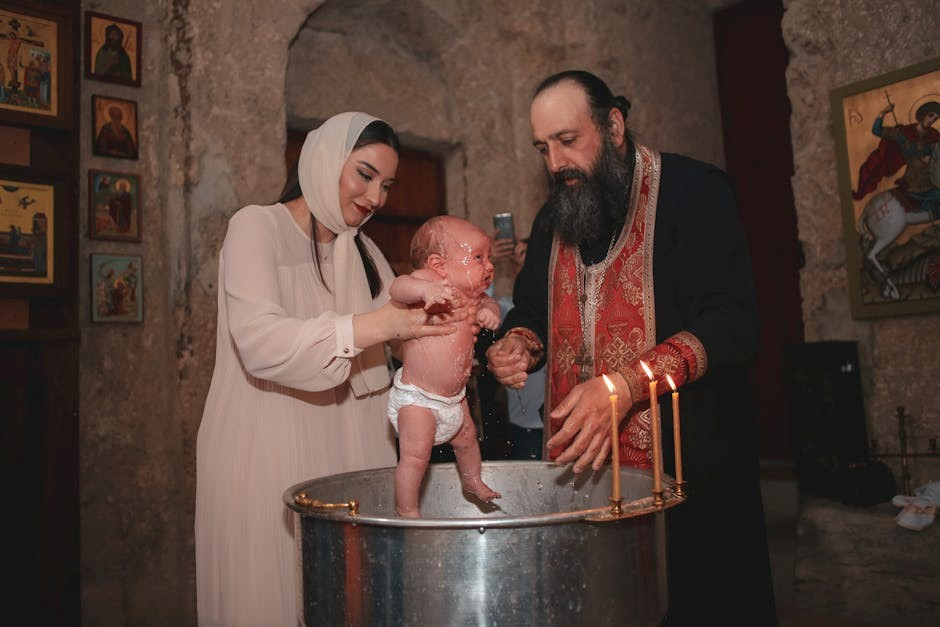
VI․ Variations in Renewal Rites
Renewal rites differ across denominations and age groups‚ with adaptations for special occasions like the Easter Vigil‚ showcasing diverse liturgical expressions․
A․ Differences Between Denominations

Variations in the renewal of baptismal promises are notably present across different Christian denominations․ Catholic traditions often emphasize a communal renewal‚ particularly during Easter Vigil services‚ involving a public reaffirmation of faith and renunciation of sin․ Protestant denominations‚ while sharing the core tenets of renouncing evil and professing belief in the Trinity‚ may exhibit more individualized approaches to renewal․
Some denominations incorporate specific prayers or liturgical elements unique to their theological perspectives; For instance‚ certain Lutheran traditions might focus on the individual’s ongoing struggle with sin and reliance on God’s grace․ Others‚ like some Baptist congregations‚ may emphasize a personal testimony alongside the formal promises․ The frequency of renewal also differs; some churches offer it annually‚ while others reserve it for specific life stages or significant liturgical seasons․ Ultimately‚ while the fundamental purpose remains consistent – a reaffirmation of baptismal vows – the expression of this renewal varies considerably․
B․ Adaptations for Different Age Groups
Adapting the renewal of baptismal promises for various age groups is crucial for meaningful participation․ For young children‚ a simplified version focusing on loving God and following Jesus is often employed‚ acknowledging their developing understanding․ Catechumens‚ or those preparing for initial baptism‚ receive more in-depth instruction and a comprehensive understanding of the promises․
Teenagers and young adults may benefit from discussions exploring the personal implications of faith and commitment in their lives․ For adults‚ the renewal can be a profound opportunity for reflection on their spiritual journey and a recommitment to discipleship․ Liturgical materials often provide age-appropriate language and explanations․ Some parishes offer separate renewal services tailored to specific age groups‚ fostering a sense of belonging and encouraging genuine engagement with the significance of the promises․
C․ Special Occasions for Renewal (e․g․‚ Easter Vigil)
The Easter Vigil stands as a particularly significant time for the renewal of baptismal promises․ This solemn liturgy commemorates Christ’s resurrection and the initiation of new Christians‚ making it a powerful moment for all believers to reaffirm their faith․ During the Vigil‚ the entire congregation publicly renounces sin and professes belief in the Holy Trinity‚ echoing the commitments made at baptism․
Beyond Easter‚ renewal rites may also be incorporated into other special occasions‚ such as parish missions or retreats․ These events provide focused opportunities for spiritual reflection and recommitment․ Some dioceses encourage annual parish-wide renewals․ The timing allows for a collective strengthening of faith and a renewed sense of community‚ reinforcing the foundational importance of baptismal grace throughout the year․

VII․ The Spiritual Benefits of Renewal
Renewal deepens faith‚ strengthens the relationship with God‚ and fosters a renewed commitment to Christian life‚ offering grace and spiritual growth․
A․ Deepening Faith
The act of consciously renewing baptismal promises isn’t merely a recitation of words; it’s a profound encounter with the core tenets of the Christian faith․ This deliberate reaffirmation compels individuals to actively reflect upon the significance of their initial baptism‚ revisiting the foundational beliefs they embraced․
Through this process‚ faith isn’t simply maintained‚ but actively deepened․ It moves beyond passive acceptance to a vibrant‚ lived experience․ The renewal prompts a re-evaluation of one’s relationship with God‚ fostering a more intimate and personal connection․
By explicitly rejecting sin and professing belief in the Holy Trinity‚ individuals solidify their commitment and strengthen their understanding of the divine mysteries․ This intentional act of faith cultivates a more resilient and unwavering spiritual foundation‚ capable of weathering life’s challenges․
B․ Strengthening Relationship with God
Renewing baptismal promises serves as a dedicated time for focused communion with God‚ actively rebuilding and reinforcing the spiritual bond․ It’s an opportunity to move beyond routine prayer and engage in a deliberate act of reconnection with the divine․ This intentionality fosters a sense of closeness and intimacy․
The rite encourages self-examination‚ prompting individuals to assess their faithfulness and identify areas where their relationship with God may have weakened․ By acknowledging shortcomings and reaffirming commitment‚ a path towards spiritual growth is illuminated․
This conscious act of rededication isn’t a one-way communication; it’s an invitation for God’s grace to flow more freely into one’s life․ It’s a tangible expression of trust and surrender‚ deepening the sense of reliance on divine guidance and strengthening the overall spiritual connection․
C․ Renewed Commitment to Christian Life
The renewal of baptismal promises isn’t merely a recollection of past vows‚ but a powerful catalyst for present and future action․ It’s a deliberate re-engagement with the core tenets of the Christian faith‚ prompting a revitalized dedication to living a life aligned with Gospel values․
This commitment manifests in tangible ways – a heightened desire for prayer‚ increased participation in the sacraments‚ and a more conscious effort to embody compassion‚ forgiveness‚ and service to others․ It’s a call to actively witness faith through daily interactions․
By publicly reaffirming these promises‚ individuals strengthen their resolve to resist temptation‚ renounce sin‚ and embrace a life of discipleship․ It’s a powerful reminder of the responsibilities inherent in Christian living‚ fostering a renewed sense of purpose and direction․

VIII․ Legal and Canonical Aspects
Church regulations govern renewal rites‚ with documentation often kept for sacramental records‚ ensuring canonical compliance and maintaining the integrity of faith traditions․
A․ Church Regulations Regarding Renewal
Canonical guidelines surrounding the renewal of baptismal promises‚ while generally permissive‚ emphasize the importance of proper liturgical context and pastoral guidance․ While not mandated annually for all‚ specific occasions like the Easter Vigil frequently incorporate a communal renewal․ Regulations often stipulate that the rite should be facilitated by an ordained minister – a priest or deacon – ensuring doctrinal accuracy and valid administration․
Different denominations exhibit varying degrees of formality; some maintain strict adherence to prescribed texts‚ while others allow for greater flexibility in wording‚ always remaining within the bounds of core theological tenets․ Record-keeping practices differ as well‚ with some parishes meticulously documenting each renewal‚ while others focus on broader participation statistics․ Ultimately‚ church regulations aim to balance individual spiritual benefit with the preservation of sacramental integrity and communal unity․
B․ Record Keeping and Documentation
Parish record-keeping concerning the renewal of baptismal promises varies significantly․ Some dioceses or denominations require detailed documentation‚ including dates‚ names of participants‚ and the presiding clergy member‚ often integrated into parish registers alongside baptismal and confirmation records․ This meticulous approach aids in tracking sacramental participation and provides a historical account of spiritual life within the community․
However‚ many parishes adopt a less formal approach‚ primarily noting the general participation in communal renewals‚ such as those held during Easter Vigil․ The availability of a “Renewal of Baptismal Promises PDF” doesn’t inherently necessitate individual record-keeping; it often serves as a liturgical aid․ Documentation primarily focuses on the validity of the initial baptism‚ rather than each subsequent renewal‚ viewing it as a reaffirmation of existing grace․
C․ Implications for Sacramental Life
The renewal of baptismal promises doesn’t confer a new sacrament‚ but rather reactivates and deepens the grace received at baptism․ It strengthens the individual’s connection to the entire sacramental life of the Church‚ preparing them to more fully receive the Eucharist‚ Reconciliation‚ and other sacraments․ This reaffirmation of faith clarifies one’s standing within the Church community․
Utilizing a “Renewal of Baptismal Promises PDF” for personal or communal practice underscores the interconnectedness of the sacraments․ It’s a reminder that baptism isn’t a singular event‚ but the foundation for a lifelong journey of faith․ A renewed commitment to baptismal vows fosters a greater openness to God’s grace manifested through all sacramental encounters‚ enriching one’s spiritual life and participation in the Church․