
Cities Without Number PDF: A Comprehensive Overview (Updated 02/10/2026)
Cities Without Number’s digital edition, available as a PDF, offers accessible gameplay for urban fantasy adventures.
It’s priced at $24.99, with a hardcover option at $64.99, including the PDF version, published by Sine Nomine Publishing.
Cities Without Number is a critically acclaimed tabletop role-playing game focused on generating and exploring unique urban environments. Released by Sine Nomine Publishing, the game distinguishes itself through its robust worldbuilding tools and emphasis on player agency within complex, dynamic cities. The core premise revolves around adventurers navigating a post-apocalyptic or fantastical cityscape, often dealing with political intrigue, dangerous factions, and the remnants of a lost civilization.
The game’s appeal lies in its procedural generation systems, allowing Game Masters (GMs) to create sprawling metropolises with detailed histories, economies, and social structures. Unlike traditional RPGs with pre-defined settings, Cities Without Number empowers players and GMs to collaboratively construct a world tailored to their preferences. This is particularly evident in the PDF version, offering immediate access to these powerful creation tools.
The PDF format provides a convenient and cost-effective entry point for players eager to delve into the game’s mechanics and worldbuilding potential. It’s a digital gateway to countless urban adventures, offering portability and ease of reference during gameplay sessions.
What is Cities Without Number?
Cities Without Number is a tabletop role-playing game designed for creating and exploring detailed urban fantasy settings. It’s a game about navigating complex city-states, uncovering secrets, and surviving in environments shaped by both magic and mundane realities. The game’s core strength lies in its procedural generation systems, allowing for the creation of unique and dynamic cities with rich histories and intricate social structures.
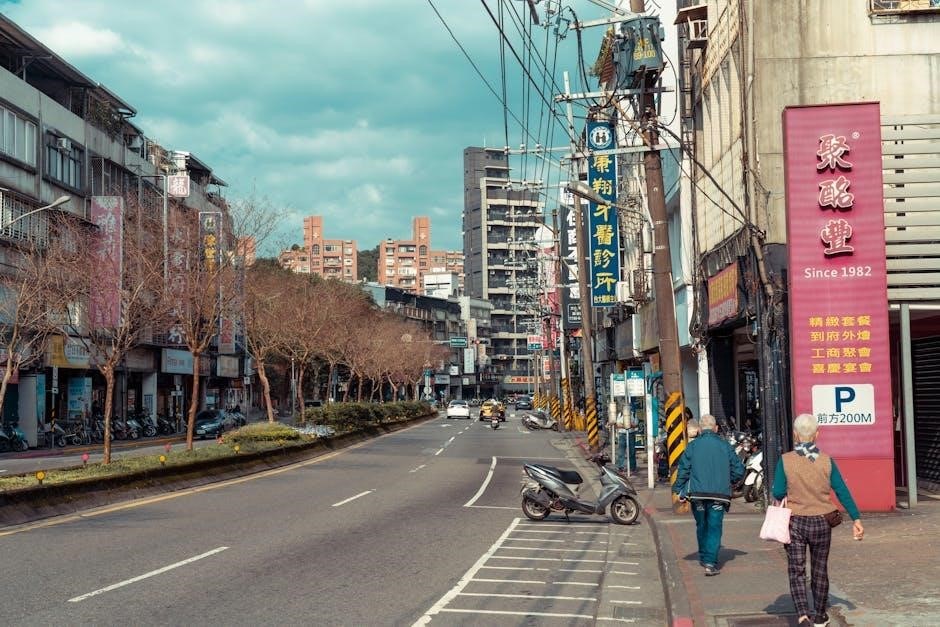
Unlike many RPGs, Cities Without Number doesn’t rely on a pre-defined world. Instead, it provides tools for GMs and players to collaboratively build their own settings, focusing on the interplay between capital, habitus, and the environment. The PDF version of the game delivers all these tools digitally, making world creation accessible and convenient.

The game emphasizes player agency and encourages exploration of the socio-political landscape of the city. Whether facing gang warfare, uncovering ancient mysteries, or navigating political intrigue, players are central to shaping the narrative within the urban sprawl. The PDF provides a complete gaming experience.
The PDF Version: Accessibility and Features
The Cities Without Number PDF offers a convenient and cost-effective way to experience this acclaimed RPG. Priced at $24.99, it provides immediate access to the complete game rules, character creation guidelines, and worldbuilding tools. This digital format enhances accessibility, allowing players to game on various devices – tablets, laptops, or desktops – without needing a physical copy.
The PDF is fully hyperlinked for easy navigation, streamlining gameplay and reference during sessions. It includes all the content found in the hardcover edition, ensuring a comprehensive gaming experience. Purchasing the hardcover version ($64.99) includes the PDF at no extra cost, offering flexibility for players who prefer both formats.
Furthermore, the PDF supports digital annotation, enabling GMs to customize the game to their specific campaign needs. It’s a readily available resource for both new and experienced RPG enthusiasts.

Core Gameplay Mechanics
Cities Without Number centers on gritty, realistic urban adventures. PDF players will navigate character creation, skills, attributes, and a brutal combat system focused on quick resolutions.
Character Creation in Cities Without Number
Character creation in Cities Without Number, as detailed within the PDF, diverges from traditional role-playing game approaches. Players define characters not by rigid classes, but by their backgrounds and skills honed within the urban environment. This system emphasizes a pragmatic, lived-in feel, reflecting characters shaped by the city itself.
The PDF guides players through selecting a character’s origin – their past life before becoming an adventurer. These origins provide starting skills and resources, influencing their initial capabilities. Crucially, characters possess a “Habitus,” representing their social standing and influence within the city. This Habitus impacts interactions and opportunities.
Furthermore, the PDF outlines a point-buy system for attributes and skills, allowing for customized character builds. Players allocate points to core attributes like Strength, Dexterity, and Intelligence, then invest in skills relevant to their chosen background and playstyle. This flexible system encourages diverse and believable character concepts, perfectly suited for the game’s urban setting.
Skills and Attributes
The Cities Without Number PDF details a skill and attribute system designed for gritty, realistic urban adventures. Attributes – Strength, Dexterity, Intelligence, and Charisma – represent core character capabilities, influencing skill checks and overall effectiveness. These are modified using a point-buy system during character creation.
Skills, as outlined in the PDF, are numerous and cover a wide range of urban competencies, from Athletics and Stealth to Bureaucracy and Investigation. Skill checks involve rolling a d20, adding the relevant attribute modifier and skill bonus, and comparing the result to a target number set by the GM.
The PDF emphasizes that skills aren’t just about success or failure; they also determine the quality of success. Higher skill levels unlock additional benefits and narrative details. This nuanced approach fosters a sense of realism and allows for creative problem-solving within the game’s urban landscape.
Combat System: Hit Points, Attack Bonus, and Saves
The Cities Without Number PDF presents a combat system prioritizing realism and lethality, reflecting the dangers of urban environments. Characters possess Hit Points representing their ability to withstand damage, which are relatively low, making each encounter potentially perilous.
Attacks are resolved by rolling a d20, adding an Attack Bonus derived from attributes and skills, and comparing the result to the target’s defense. Damage is determined by the weapon used and can quickly deplete a character’s Hit Points.
Saving Throws, detailed within the PDF, are crucial for resisting harmful effects like poisons, traps, or magical attacks. These rolls utilize attribute modifiers and can mean the difference between survival and incapacitation. Combat is described as “nasty, brutish, and short,” encouraging tactical thinking and avoidance where possible.

Worldbuilding with Cities Without Number
Cities Without Number PDF excels in procedural city generation, allowing GMs to create detailed urban landscapes.
It focuses on statistics, factions, NPCs, Capital, and Habitus for immersive world creation.
Generating City Statistics
Cities Without Number PDF provides a robust system for statistically defining urban centers, moving beyond simple descriptions. The core mechanic revolves around generating key metrics that shape a city’s character and functionality. These statistics aren’t arbitrary; they directly influence gameplay, impacting everything from resource availability to the prevalence of crime and the influence of various factions.

The PDF guides players through a series of random rolls and weighted choices to determine a city’s Capital, representing its economic strength, and its Habitus, reflecting its cultural and social norms. These foundational elements then cascade into further statistical details, including population size, industrial output, and the level of technological advancement. This procedural approach ensures each city feels unique and organically developed.
Furthermore, the system allows for nuanced adjustments, enabling GMs to tailor cities to specific campaign needs. The PDF doesn’t just provide numbers; it offers context and interpretation, helping GMs understand how these statistics translate into tangible aspects of the urban environment and the lives of its inhabitants.
Populating the City: Factions and NPCs
The Cities Without Number PDF excels in providing tools to breathe life into generated cities, focusing heavily on the dynamic interplay of factions and compelling NPCs. Simply having statistics isn’t enough; a vibrant city needs power players and conflicting interests. The system encourages GMs to define organizations – gangs, corporations, religious groups, or political movements – each with their own agendas and resources.
The PDF doesn’t prescribe specific factions, instead offering guidelines and prompts to inspire unique creations tailored to the city’s Capital and Habitus. These factions aren’t static entities; their relationships with each other and the player characters are meant to evolve organically through gameplay.
Alongside factions, the PDF emphasizes the importance of memorable NPCs. It suggests methods for quickly generating individuals with distinct personalities, motivations, and connections to the city’s power structures, ensuring a rich and reactive urban landscape.
The Role of Capital and Habitus in City Development
The Cities Without Number PDF uniquely structures city generation around two core concepts: Capital and Habitus. Capital represents the city’s economic and material resources – wealth, industry, and infrastructure – dictating its potential for growth and influence. The PDF provides methods for determining a city’s Capital level, impacting everything from its technological advancement to the quality of life for its inhabitants.
Habitus, however, delves into the city’s cultural and social character. It defines the prevailing attitudes, beliefs, and values of its population, shaping its aesthetic, laws, and social norms; The PDF offers a range of Habituses, from decadent and corrupt to austere and lawful, each influencing faction behavior and NPC motivations.
Crucially, Capital and Habitus aren’t independent; they interact dynamically. A city with high Capital but a repressive Habitus might see wealth concentrated in the hands of a few, while a city with low Capital but a progressive Habitus might prioritize social welfare over economic growth. This interplay is central to creating believable and engaging urban environments.

Environmental Considerations & Urban Challenges
Cities Without Number PDF doesn’t directly address environmental issues, but its flexible system allows GMs to incorporate challenges like sea level rise,
SGD impacts, and greenspace optimization.
Sea Level Rise and Coastal Flooding (NYC Example)
While the Cities Without Number PDF doesn’t explicitly detail scenarios involving sea level rise, its adaptable framework allows Game Masters to integrate such environmental challenges into their urban campaigns. Considering New York City as an example, a GM could utilize the game’s mechanics to represent the socio-economic fallout from increasing coastal flooding.
The city’s history of severe storms, including hurricanes and nor’easters, provides ample inspiration. GMs can create factions vying for control of dwindling dry land, or introduce NPCs struggling with displacement and resource scarcity. The game’s system for generating city statistics could be modified to reflect infrastructure damage and population shifts caused by rising waters.
Furthermore, the concept of “Habitus” – a city’s overall feel – could be dramatically altered to reflect a city perpetually bracing for inundation, impacting resident morale and societal structures. The PDF’s open-ended nature empowers GMs to explore the complex consequences of climate change within a compelling role-playing context.
Shale Gas Development and its Socioecological Impacts (Denton, TX Example)
The Cities Without Number PDF provides tools to model the complex societal impacts of industrial development, exemplified by shale gas development (SGD) in Denton, Texas. While not a pre-packaged scenario, the game’s faction system allows GMs to represent competing interests – energy companies, environmental groups, and concerned citizens – all vying for influence within the city.
Denton’s 280+ gas wells offer a rich backdrop for intrigue. GMs can utilize the game’s mechanics to simulate the economic benefits (and potential corruption) associated with SGD, alongside the documented health and environmental concerns. NPCs could include scientists studying pollution, activists organizing protests, or politicians accepting campaign contributions.
The PDF’s emphasis on urban challenges allows for exploration of issues like water contamination, increased traffic, and strain on local resources. City statistics can reflect declining property values in affected areas, or the rise of new industries catering to the energy sector, creating a dynamic and reactive game world.
Urban Greenspace Optimization and Resident Preferences
The Cities Without Number PDF facilitates the modeling of urban planning dilemmas, such as optimizing greenspace to align with resident preferences. Research highlights the importance of understanding these preferences when designing parks and recreational areas within a city.
GMs can leverage the game’s faction system to represent different community groups – those prioritizing accessibility, aesthetics, or ecological value – each with their own agendas for greenspace development. NPCs could include landscape architects, community organizers, and city council members navigating these competing demands.
The PDF’s mechanics allow for simulating the consequences of different planning decisions. Investing in greenspace might increase property values and improve public health, but could also lead to gentrification and displacement. The ‘Habitus’ system can reflect how different social groups perceive and utilize urban greenspaces, adding depth to the simulation.

Resources and Supplements
Cities Without Number’s PDF is supplemented by materials from Sine Nomine Publishing. Options include a $24.99 digital download or a $64.99 hardcover edition.
Sine Nomine Publishing and Related Materials
Cities Without Number is a product of Sine Nomine Publishing, a company known for its innovative and rules-light role-playing games. The game’s core rulebook is available in multiple formats to cater to different player preferences. Currently, you can acquire the game as a digital-only PDF download for $24.99 directly from Sine Nomine Publishing’s website.
For those who prefer a physical copy, a hardcover, standard color book version is also offered, priced at $64.99. Importantly, purchasing the hardcover edition automatically includes a complimentary copy of the PDF, providing players with both digital and physical access to the game’s content. This allows for convenient play on the go with the PDF and a more immersive experience with the beautifully presented hardcover book.
Sine Nomine Publishing consistently provides high-quality materials, and Cities Without Number is no exception, offering a rich and engaging experience for fans of urban fantasy role-playing.
Digital vs. Print Versions: PDF, Hardcover Options
Cities Without Number presents players with flexible options for accessing its content, offering both a convenient PDF version and a more substantial hardcover edition. The digital-only PDF download is available for $24.99, providing immediate access to the game’s rules and worldbuilding tools. This is ideal for players who prefer digital resources or want a portable option for gaming on the go.
Alternatively, a hardcover, standard color book is available for $64.99. This premium edition isn’t just a physical copy; it thoughtfully includes a complimentary PDF version with purchase. This dual-format approach caters to diverse preferences, allowing players to enjoy the tactile experience of a physical book alongside the convenience of a digital file.
Choosing between the PDF and hardcover depends on individual needs, but the bundled option provides excellent value and versatility for any Cities Without Number enthusiast.
Accessing the PDF: Purchase and Download
Acquiring the Cities Without Number PDF is a straightforward process, primarily facilitated through Sine Nomine Publishing. The digital version of the game is priced at $24.99 and can be purchased directly from their website or through various online distribution platforms that specialize in tabletop role-playing games. Upon completing the purchase, you’ll typically receive an immediate download link via email.
The PDF is a comprehensive file containing the complete game rules, worldbuilding guidance, and all the necessary materials to embark on your urban fantasy adventures. Ensure you have a suitable PDF reader installed on your device – Adobe Acrobat Reader is a commonly used and reliable option.
Downloading and saving the PDF to a secure location is recommended, allowing for easy access whenever inspiration strikes. Enjoy exploring the intricate world of Cities Without Number!
Advanced Topics & Community Resources
Cities Without Number benefits from academic research, participatory AI frameworks for streetscape assessment, and a vibrant online community sharing insights and resources about the PDF.
Participatory AI-Based Frameworks for Streetscape Assessment
Emerging research explores innovative methods for evaluating urban environments, directly applicable to enriching Cities Without Number game mastering. A “street review” framework utilizes participatory AI to assess streetscapes, gathering data on qualities like safety, aesthetics, and accessibility. This approach moves beyond traditional top-down urban planning, incorporating resident perspectives directly into the evaluation process.
For a Cities Without Number campaign, this translates to dynamically generated city details. Imagine using AI-assisted analysis (even simplified versions) to determine a district’s “feel” – is it a vibrant, well-maintained area, or a neglected, dangerous zone? The framework’s data points can inform NPC behaviors, faction control, and even random encounter tables within the PDF-based game.
This allows GMs to create more believable and reactive urban landscapes, moving beyond static descriptions. The AI component can suggest plausible details based on inputted parameters, while the participatory aspect ensures the city feels lived-in and responsive to player actions, enhancing the PDF experience.
Environmental Research Related to Urban Areas
Contemporary environmental studies provide rich context for building compelling settings within Cities Without Number. Research into sea level rise, exemplified by studies on New York City, highlights the vulnerabilities of coastal urban centers – a potent theme for a campaign. Similarly, investigations into shale gas development, like those conducted in Denton, Texas, reveal complex socioecological impacts, offering nuanced conflicts for player involvement.
These real-world scenarios can inspire detailed city districts within the PDF game. A city grappling with coastal flooding might feature desperate engineering projects, displaced populations, and black markets for salvaged materials. A city reliant on shale gas could be plagued by environmental protests, corporate espionage, and health crises.
Furthermore, research on urban greenspace optimization and resident preferences informs the creation of believable city parks and public spaces, impacting habitus and faction dynamics. Integrating such research elevates Cities Without Number beyond generic fantasy, grounding it in plausible environmental challenges.
Current Research & Academic Papers (2015-2024)
Recent academic work, though not directly focused on the Cities Without Number PDF, offers valuable insights for game masters. Papers exploring participatory AI-based frameworks for streetscape assessment (like “Street review”) provide inspiration for generating dynamic city details and NPC behaviors. These frameworks could translate into in-game tools for character investigations.
Studies on capital, habitus, and resident preferences for urban greenspace (Chen et al., 2015) directly inform the creation of believable city districts and faction motivations within the game. Understanding how communities value environmental attributes adds depth to urban conflicts.
While research on shale gas development and sea level rise doesn’t mention the PDF, the socioecological impacts detailed in these papers provide compelling scenarios for campaigns. Utilizing these findings enhances the realism and complexity of your Cities Without Number world.